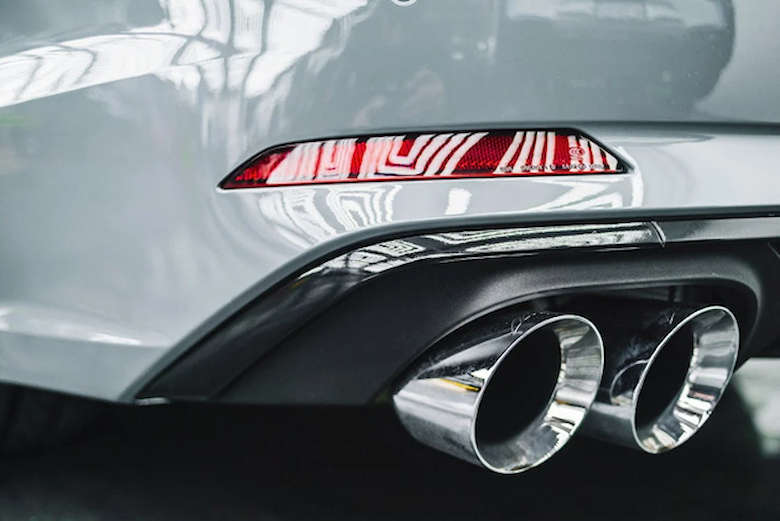
Performance Exhausts: Key Features, Benefits and Considerations
Contents
Considering a power and performance addition to your car, but without the headache of high purchase and installation costs? Exhausts are often the first upgrade in any vehicle ripe for tuning. Aftermarket options build on stock variants by improving airflow, increasing overall strength and giving your car the performance boost it craves.
Limitations of Stock Exhaust Systems
Recent emissions, noise and fuel consumption regulations have had the same reverberating effect as the emissions culls in the 1970s, killing power in all cars regardless of cylinder count or engine output. This led to the gradual introduction of multiple electronic engine systems, along with unnecessary changes to basic components like the exhaust piping.
Narrower pipes that wind through the engine bay and underbody create unnecessary airflow restrictions, quieting the exhaust gases as they leave the car. The mandatory use of catalytic converters and DPFs further disrupted airflow, eating away at engine efficiency. While electronics improved parameters like engine timing and ignition, and turbocharging helped the downsizing trend for increased torque, strict regulations on how loud cars can get and how much CO2 they emit offset any performance gains and upped vehicle prices.
What Qualifies as a Performance Exhaust?
In basic terms, performance exhaust systems are re-engineered components designed to remove the inherent issues of factory units. This includes reducing or limiting backpressure with wider, straighter piping throughout the length of the exhaust, and revised header and downpipe designs to draw spent gases out of the combustion chambers faster (known as exhaust scavenging) and increase exhaust velocity, boosting combustion efficiency. Piping is built to a higher standard, with tougher yet lighter materials and thicker piping walls for increased durability to handle the higher pressures and temperatures that come with increased power. And manufacturers do this while still meeting strict emission targets, using revised cat and DPF designs for even better toxic gas reduction without impeding on airflow.
Consider the Benefits

source: gexhaust.com
Tweaking factory designs to draw the most out of any engine has its benefits:
- Increased power and torque: Improved airflow from the manifold to the tips increases engine efficiency through optimised combustion cycles. This, in itself, boosts power and torque, with estimates for full exhausts ranging from 5 to 10 per cent of rated engine numbers. Cars producing 200hp in factory trim add another 10 to 20hp for a tangible power boost. Moreover, torque has a wider spread across the rev range, with more low-end push for faster acceleration.
- Durability: Mandrel-bent stainless steel piping in wider diameters and thicker pipe walls significantly improves durability over stock, crush-bent mild steel. Stainless steel has a higher tolerance to extreme pressures and temperatures (such as in boost applications) and a higher melting point. It is also inherently corrosion-resistant, and with advanced manufacturing processes and treatment, it lasts longer in everyday driving. The higher strength also warrants structural integrity against road obstacles and accidents, retaining piping uniformity and engine performance.
- Customisation options: Performance exhaust systems are offered as modular assemblies, either as exhaust separates, or pre-assembled axle-back, cat-back or header/turbo-back completes. This lets motorists mix and match parts that meet performance, emissions and durability needs.
- Sound profiles: Customisation also extends to the exhaust note. Mixing and matching muffler and resonator combos, either as separate parts or within exhaust completes, allows drivers to get the exhaust sound they want. Wider piping and faster, less-restricted airflow are already ingredients for higher volumes. Sound waves can also be altered for a deeper, throatier rumble that gets louder as you work the throttle. For older cars, also consider piping that quietens things down.
- Lower weight and reduced fuel use: While wider and thicker, the straighter piping sheds weight. This is paramount for performance cars and racing applications where lower weight cuts tenths or seconds off lap times. Additionally, optimised flow means the engine is less stressed in producing the same power levels, effectively using less fuel.
Main Buying Considerations
Vehicle compatibility, widths and materials should be your main considerations when buying performance exhaust systems. Compatibility refers to engine displacement (with single- or dual-pipe aftermarket exhausts) and header-back systems for aspirated engines or turbo-back performance exhausts in cars with forced induction. This also relates to different car trims and manufacturing years, which can have layout variations to allow a clean fit and reduce installation time.
Piping widths average between 2.25″ and 3.5″, depending on engine type and displacement. The width aims to balance flow while still allowing some backpressure for turbo spooling. Many 4-cylinder petrol engines use 2.5″ or 3″ pipes. In contrast, larger 6 and 8-cylinder engines often step up by half an inch. Oversizing the pipes has a counter effect, creating more turbulence (and hence more backpressure) while reducing velocity.
Lastly, materials and build determine strength and durability. Stainless steel is the entry point for exhaust upgrades (especially when paired with comparably built air intakes), thanks to its properties that ensure your exhaust outlasts the car and engine. For lower weight and greater strength, go with engineered alloys such as Inconel or high-end metals like titanium, and consider carbon fibre in the tips for more visual appeal. Also, look for established builders that cater to multiple car brands and models, and offer defined warranties for peace of mind.