Tea Sets Guide: Styles, Traditions and How to Choose One for Every Occasion
Contents
- 1 What Is a Tea Set, and Why Does the Style Matter?
- 2 Chinese Tea Set: Small Details, Big Flavour
- 3 Japanese Tea Set: Simple, Calm, and Considered
- 4 English Tea Set: Classic and Made for Sharing
- 5 Modern Tea Set: Clean, Practical, and Easy to Live With
- 6 How to Choose a Tea Set That Suits You
- 7 A Final Thought
Tea is more than just a drink—it’s a ritual, a culture, and a moment you carve out for yourself. The quiet pour, the warmth in your hands, the first sip—it all adds up to something far more meaningful than a quick caffeine hit. What you might not realise is how much your choice of teaware shapes that experience. The set you use influences how your tea tastes, how it’s prepared, and even how you feel while drinking it. So how do you tell them apart, and which one feels right for you?
What Is a Tea Set, and Why Does the Style Matter?
source: facebook.com
A tea set brings together everything you need to prepare and serve tea. At its simplest, it includes a teapot and cups, though some sets add trays, strainers, or other thoughtful extras.
The tea sets you choose directly affect your brew. The material holds heat differently. The shape of the pot changes how the leaves unfurl. Even the size of the cups shifts how you sip and savour each pour. Beyond that, each design carries a story—one that reflects how tea fits into daily life, whether it’s slow and meditative or shared and social.
Chinese Tea Set: Small Details, Big Flavour
A Chinese tea set feels compact and purposeful. You’ll find a small teapot, tiny cups, and often a tray to catch spills. Everything is scaled down so you can brew multiple short infusions.
Where It Comes From
This style draws from the Gongfu method, where attention to detail matters. You pour, taste, adjust, and pour again. Each step invites you to slow down and notice how the flavour evolves.
When It Feels Right
Reach for this set when you want to spend time with your tea rather than rush through it. It works beautifully with oolong and pu-erh, where each brew reveals something new.
Japanese Tea Set: Simple, Calm, and Considered
A Japanese tea set keeps things understated. It usually includes a kyusu teapot with a side handle and a matching tea cup set. The cups don’t have handles, so you naturally cradle them in your hands.
If you’ve ever wondered what is included in a Japanese tea set, you’ll typically see:
-
A kyusu teapot with a built-in strainer
-
A set of small cups
-
Occasionally, a tray or a bowl for cooling water
Every piece has a purpose, and nothing feels unnecessary.
The Thinking Behind It
Japanese tea culture centres on quiet moments and simple routines. The design reflects that mindset—clean, balanced, and free from distraction.
When to Use It
This set suits green teas like sencha or genmaicha. It fits neatly into your day, whether you’re starting your morning or pausing for a reset in the afternoon.
English Tea Set: Classic and Made for Sharing
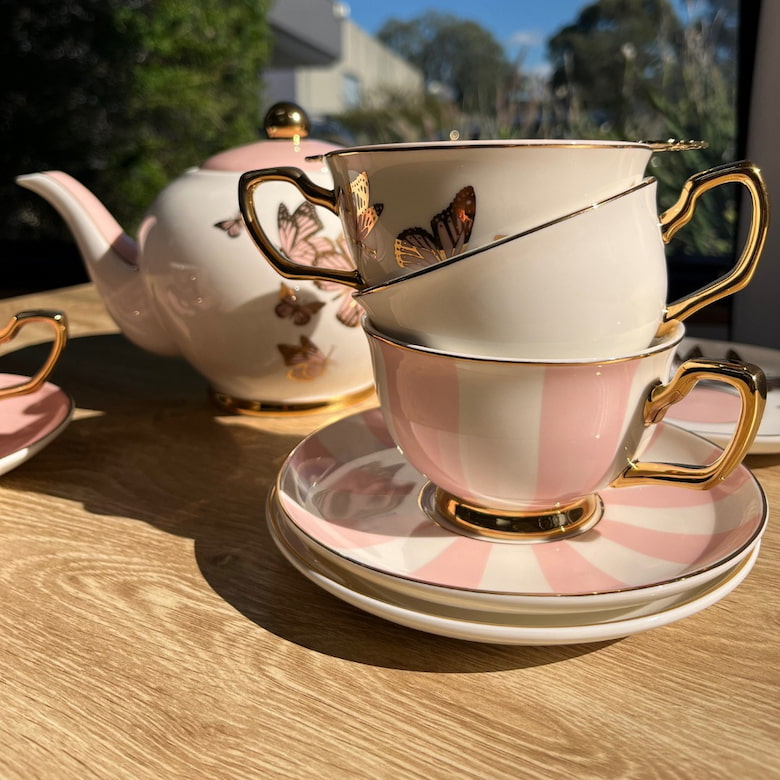
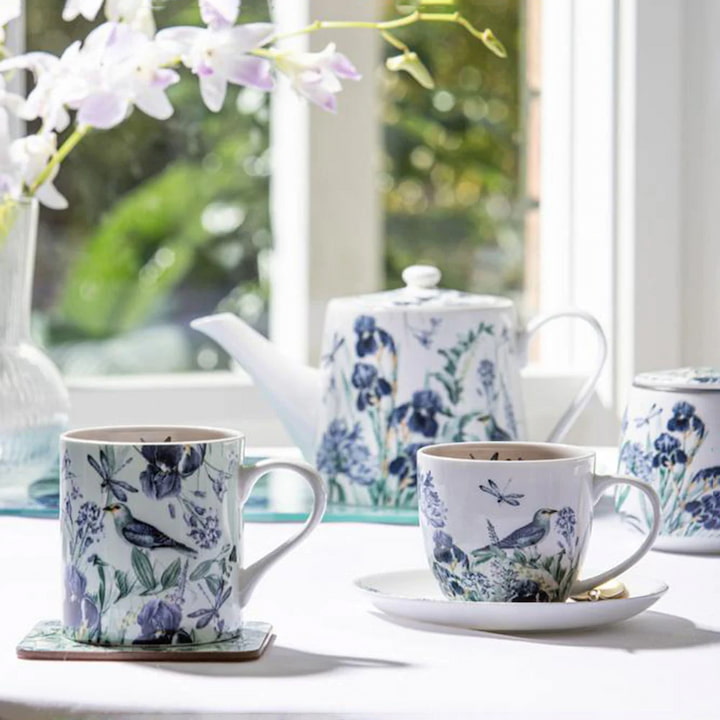
An English tea set feels generous and a little indulgent. You’ll usually see a larger teapot, cups with handles, saucers, and sometimes a milk jug and sugar bowl. The designs often feature delicate patterns or florals.
The Story Behind It
This style grew from the tradition of afternoon tea, where the experience revolves around conversation, connection, and a well-set table.
When It Works Best
Bring this set out when you have company. It pairs naturally with black tea and turns even a simple catch-up into something a bit more special.
Modern Tea Set: Clean, Practical, and Easy to Live With
Modern tea sets focus on simplicity and function. You’ll notice clean lines, neutral tones, and materials like glass or sleek ceramic. Some designs combine brewing and pouring into one piece.
The Idea Behind the Design
These sets reflect how you live now—busy, practical, and drawn to uncluttered spaces. They strip things back to what you actually use.
When to Reach for One
Keep this set within easy reach for everyday tea. It fits neatly into your routine and doesn’t ask for much effort.
How to Choose a Tea Set That Suits You
Match It to Your Tea
Start with what you drink most. Green tea pairs well with Japanese-style sets that control temperature and flow. Oolong and pu-erh benefit from smaller Chinese teapots that allow multiple infusions. Black tea works well in larger pots that hold heat and serve more than one cup.
Think About Your Routine
Think about when and how you drink tea. If it’s part of a quick morning habit, you’ll want something simple and easy to use. If it’s a moment to unwind, a smaller, more hands-on set can make the experience more enjoyable.
If you often share tea with others, a larger set will save time and make serving easier.
Keep Your Comfort in Mind
Pay attention to how the set feels. The teapot should pour smoothly, and the cups should feel comfortable to hold. If something feels awkward, you’re less likely to use it.
A simple tea cup set and a well-balanced teapot are often all you need to get started. You can always explore more detailed options later.
A Final Thought
The right tea set becomes part of your routine without you thinking about it. It fits into your day, supports how you make tea, and makes the whole process feel natural.
Take your time choosing one that suits how you like to drink tea. Once it feels right, even a simple cup can become something you genuinely enjoy slowing down for.