The Three Basic Watercolour Brushes Every Artist Should Have
Contents
Stepping into the world of watercolour painting requires more than just the watercolours and canvas. Without the right set of brushes, you won’t be able to bring life into your art or achieve the needed effect.
What Is a Watercolour Brush?
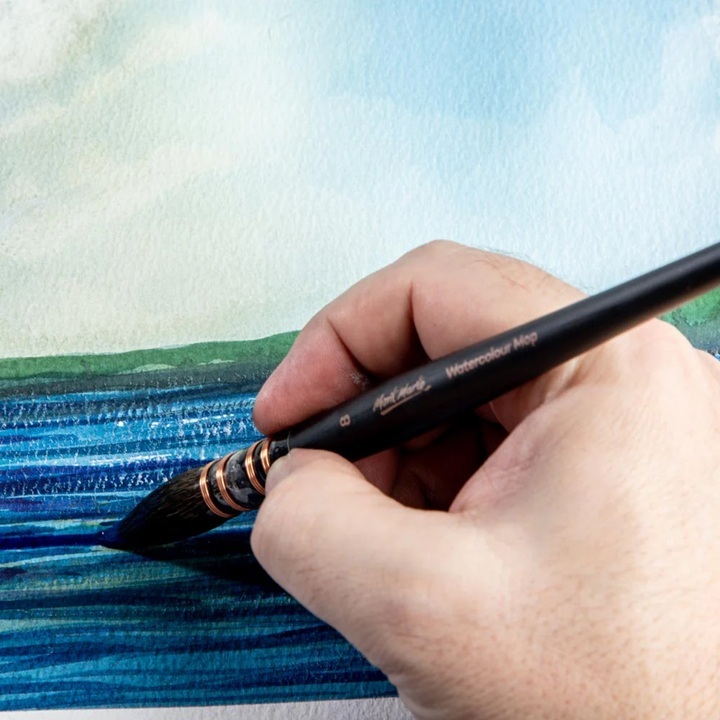
source: montmarte.com
Unlike other brushes, watercolour brushes are designed to hold more water and pigment, giving you greater control while painting. Generally speaking, these painting tools have shorter handles for increased precision. They are perfect for close-up work, as they can hold more water while allowing you to work on the finest art details. And the best part is that they are suitable for both beginners and professionals.
Types of Watercolour Brushes
There are many watercolour brush types for sale; however, three essential types every artist should have are round, flat, and angled.
Round
Round brushes are the first and most important type every artist should own. As the name suggests, these brushes have a rounded head featuring a wider middle part known as the belly, and a pointed tip for precision work. The wider part of the brush is designed to hold more water and paint, making it perfect for watercolouring. Like other brushes, these are available in a range of sizes: larger ones are used for painting larger surfaces and objects, while smaller ones are designed for painting smaller surfaces and creating more detailed work.
Flat
Just like the other flat brushes designed for other types of painting, these are characterised by their square-shaped head. Their shapes make it easy to create straighter edges and paint larger areas. Aside from their shape, these brushes differ from the rounder ones in the middle part. Instead of being wide and large, they are thin and flat, meaning that they can’t hold as much water as the rounder types. That makes them better suited to shorter, more controlled strokes. They come in a range of sizes, giving you the flexibility to choose a few options and use them as needed.
Angled
The angled paint brush is another type of flat brush, but with a steeper angle. This angled tip gives you more control, which makes it ideal for creating clean, consistent lines and reaching tight areas. Because they are flat, these brushes don’t hold as much water or paint, so they work best for shorter strokes. The pointed edge also helps with detail work in small spaces. Angled paint brushes come in a range of sizes, giving you the freedom to use the right one for your project.
Natural vs. Synthetic Fibre
Another important factor in a brush’s performance is the fibre. Natural and synthetic fibre are the main choices available these days, and each differs in type, use, quality, and longevity.
Natural
- Sable: Sable is the first, finest, and most commonly used material for the production of natural-fibre brushes. Brushes made from it are known for their fine tips and great ability to hold water. Being made from natural fibre means that they can maintain their shape very well, which gives greater control when making strokes. Brushes made from this natural hair are perfect for creating detailed work and more delicate lines. Given that this fibre holds large amounts of paint and water, it is ideal for round brushes.
- Goat: This fibre can take pride in its softness and super absorbency. However, it is mainly used for larger brushes because it provides less control than sable. According to artists and manufacturers, it is commonly used in traditional calligraphy and broad wash techniques. Brushes made from this hair are great for creating dynamic, flowing strokes that cover large surfaces.
- Hog: Hog fibre is considered the stiffest of them all, which is why brushes made from it are known as the stiffest natural fibre brushes. Being stiff means that they offer a distinct texture. Their natural split ends help the brush hold more paint, making them perfect for creating a more textured effect on the paper. Because of this, hog brushes aren’t the best option for fine watercolour work.
Synthetic
Generally speaking, synthetic fibre brushes can be made from nylon and polyester, as both are designed to mimic natural hair. They are super durable and high-quality, perfect for use with a range of colours and solvents.
According to professionals, these brushes are super versatile and can be used for a variety of watercolouring techniques. Made from nylon or polyester, these brushes retain paint and water without deforming.
An important thing to know about them is that the softer they are, the better for smooth washes and blending. And vice versa: the firmer they are, the better they are for detailed work and blending. Regardless of the type you choose, they are more affordable than natural bristle brushes.
However, when comparing natural and synthetic, it seems the former are always a better choice for high-end smooth washes, high-volume water capacity and even detailed work. That said, beginners and children can start with synthetic brushes, as they’re more affordable and durable.