Power Meets Innovation: Mastering the World of E-Motorcycles
Contents
Rising fuel costs, constant maintenance, and growing environmental concerns; are traditional motorcycles becoming more trouble than they’re worth? Electric motorcycles offer a smarter, cleaner solution for modern riders. Unlike conventional bikes, they run on rechargeable batteries and electric motors, eliminating the need for fuel and significantly reducing upkeep. Power is delivered instantly, giving riders smooth acceleration and a quieter, more efficient ride. Charging can be done at home or at public stations, making them practical for daily use.
Types
source: pexels.com
Ride the future with a high-speed but eco-friendly electric motorcycle. With advances in battery technology and motor performance, today’s E-bikes cater to a wide range of riders, from beginners to seasoned enthusiasts, and from city commuters to off-road adventurers. Each type is designed to meet specific needs, whether it’s long-range travel, high-speed performance, or navigating rugged trails. Understanding the different types available helps riders choose the right bike for their lifestyle and riding goals.
Off-Road Electric Motorcycles
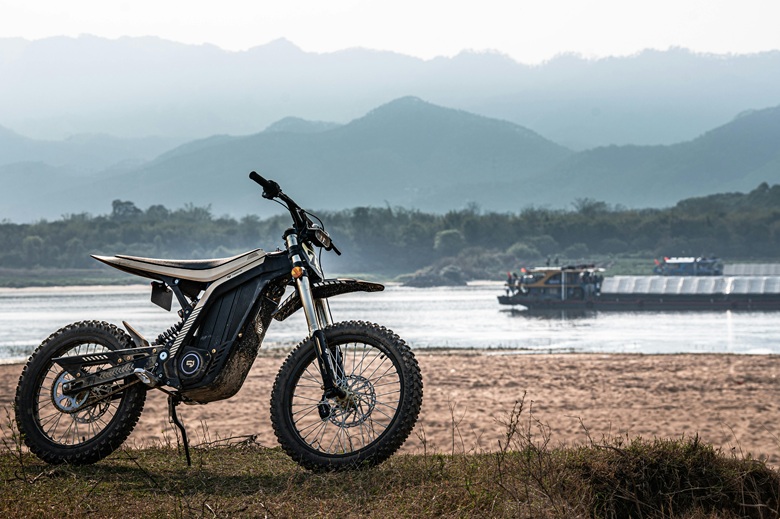
Off-road types are the most dominant, especially when looking at current market offerings. These bikes are built for trails, dirt tracks, and rugged terrain, featuring strong suspension systems, durable frames, and high-torque motors. Many models are designed specifically for performance riding, delivering powerful acceleration and excellent control on uneven surfaces. According to available listings, a large portion of electric motor bikes today fall into this category, highlighting their popularity among adventure riders.
Long-Range Performance Electric Motorcycles
Another key type focuses on extended range and high-power output. These motorcycles are engineered with larger battery capacities and stronger motors, allowing for longer rides and higher speeds. They are ideal for riders who want both endurance and performance, whether for longer commutes or recreational riding. These models often combine efficiency with advanced technology to deliver a smooth and consistent riding experience.
Entry-Level and Lightweight Electric Motorbikes
Entry-level electric bike choices are designed for beginners or casual riders. They are typically lighter, easier to handle, and more affordable compared to high-performance models. These bikes prioritise accessibility, making them perfect for learning, short trips, or younger riders. Some versions are even tailored specifically for youth, offering a safer introduction to electric riding.
Road-Legal Electric Designs
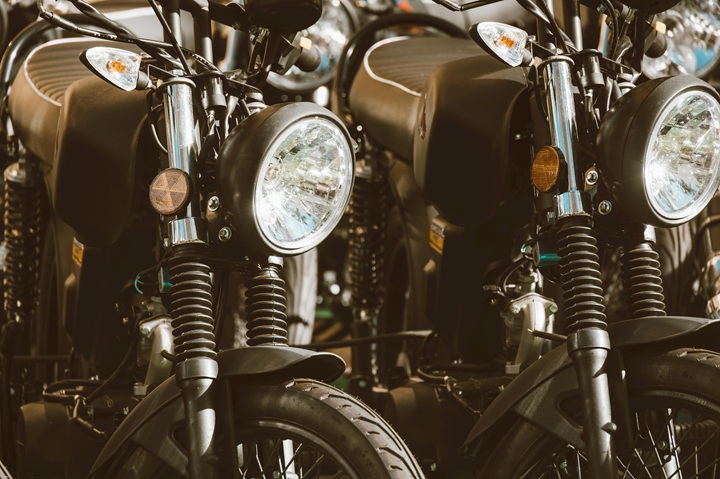
Road-legal electric designs are built to meet regulations for public street use. Unlike off-road models, these bikes include features such as lighting systems, mirrors, and compliance with safety standards. They provide a balance between everyday commuting and performance, making them a practical option for urban riders who want an eco-friendly alternative to traditional motorcycles.
Hybrid Use (On-Road and Off-Road)
Some electric models are designed for dual-purpose use, meaning they can handle both city streets and rough terrain. These versatile models combine durability with adaptability, allowing riders to switch between commuting and adventure riding with ease. Their growing presence reflects the increasing demand for flexibility in modern electric mobility.
Battery Capacity
Battery capacity is one of the most critical factors in an electric motorcycle, as it directly determines how far and how long a bike can ride before needing a recharge. Measured in kilowatt-hours (kWh), a larger battery provides extended range, allowing riders to tackle longer commutes, road trips, or off-road adventures without worrying about running out of power. High-capacity batteries also support more powerful motors, enabling faster acceleration and higher top speeds while maintaining efficiency.
Most modern options offer a range between 50 km and over 200 km per charge, depending on the battery size, terrain, and riding style. Some models also feature removable or swappable batteries, making charging more convenient and flexible. Additionally, advanced battery management systems monitor temperature, voltage, and charge cycles to extend lifespan and ensure safe operation.
Weight
Weight plays a crucial role in the performance, handling, and efficiency of an electric motorbike. Unlike the traditional petrol one, an E-motorbike carries the added mass of batteries, which can significantly increase overall weight.
A heavier E-motorcycle often offers more stability at high speeds and better traction on the road, but it can be less agile in tight turns or crowded urban streets. Conversely, lighter models are easier to manoeuvre, ideal for beginners or city commuters, and can provide a more responsive riding experience.
Manufacturers carefully balance weight distribution to ensure optimal handling. Many bikes place the battery low in the frame, lowering the centre of gravity for improved control and stability. While additional weight can slightly reduce acceleration and range, advancements in lightweight materials and compact battery designs help mitigate these effects.
Smart Features
source: pexels.com
Smart features are transforming electric motorcycles into more connected, convenient, and safer machines. Many modern models come equipped with digital displays, Bluetooth connectivity, and smartphone integration, allowing riders to track battery status, range, speed, and ride statistics in real time. Some bikes also include GPS navigation, turn-by-turn directions, and route planning directly through the dashboard or a companion app.
Advanced systems often incorporate regenerative braking, which recovers energy during deceleration, extending battery life and improving efficiency. Other smart features can include multiple riding modes, such as eco, sport, or off-road, allowing riders to adjust performance and power delivery to match conditions or preferences. Security is also enhanced with keyless ignition, anti-theft alarms, and remote monitoring through mobile apps.
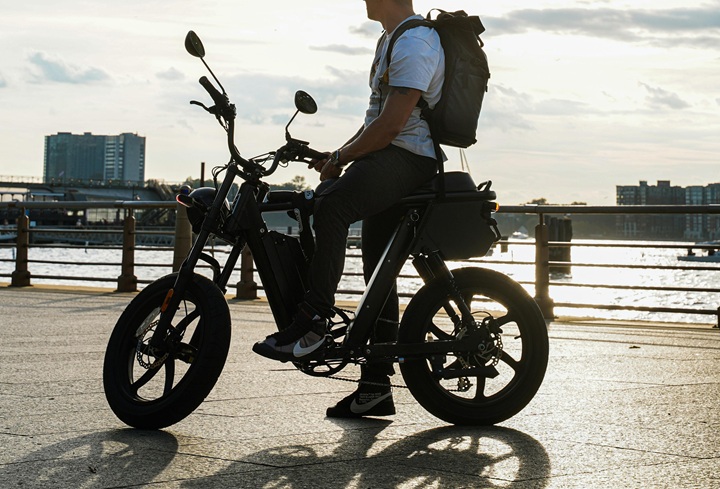
In terms of secure storage, top boxes are a highly practical accessory for electric motorcycles, adding valuable storage space without compromising style or performance. Mounted on the rear of the bike, these lockable containers provide secure room for helmets, backpacks, groceries, tools, or other personal items, making them especially useful for commuters and tourers alike.
Challenges to Consider
While electric motorcycles offer numerous benefits, there are some challenges riders should consider. Limited range can be an issue for long trips, especially in areas with few charging stations. Charging times, though improving, are still longer than refuelling a petrol bike.
Initial purchase prices can also be higher and added battery weight may affect handling for some riders. Additionally, the availability of spare parts and servicing options can vary by region, so planning and research are essential before committing to an electric motorcycle.