How to Find the Ideal Coffee Table for Your Space
Contents
A modern coffee table can do much more than give you somewhere to place your mug or remote. Positioned at the heart of the living room, it helps bring the seating area together while adding personality to the space. Its shape, finish, colour and materials can all influence how the room feels, whether you want a warm and relaxed setting, a sleek contemporary look or something more striking.
The right piece should work with the size and layout of your room, suit the way you use the space, and complement your existing furniture. Discover the key factors to consider so you can find a coffee table that looks great and works for your everyday needs.
What Material is Best for a Coffee Table?
source: blackmango.com.au
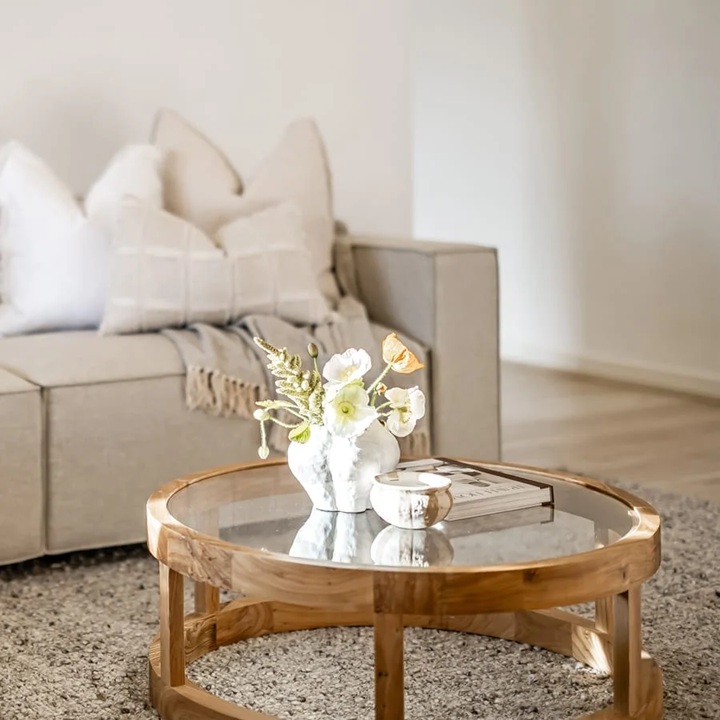
The material you choose can have a surprisingly big impact on the atmosphere of your living room. It affects the visual character of the space as well as how the furniture ages over time. Among the more popular options are designer coffee tables made of wood. Beyond its durability, wood brings warmth and organic character into the room, while the grain gives every piece a slightly different appearance.
A well-made wooden design can also develop a beautiful patina as it ages, making it feel even more distinctive over time. Choosing responsibly sourced wood can be a more considered option for those who want to pay attention to where their furniture comes from.
Lacquered wood offers a different take on this natural material, with a smooth finish that can add brightness and a polished feel. It works particularly well when you want something timeless but with a more contemporary edge. For a lighter, more open atmosphere, glass is worth considering. Its transparency can make a smaller living room feel less crowded and give the surrounding furniture more visual breathing room.
Modern coffee tables made of marble bring an unmistakably sophisticated feel, with natural veining and a choice of colours that can range from crisp white to warmer or more dramatic shades. If you prefer something more earthy, travertine has a softer, organic appearance. Its warm tones and naturally varied texture work beautifully in relaxed or Mediterranean-inspired interiors.
What Size Do I Need?
Getting the proportions right can make a difference in how your living room comes together. Choosing designer coffee tables that are too large can make the space feel cramped, while those that are too small may look out of place or leave you reaching too far for your tea or coffee. Think about your sofa, available floor space, and how you plan to use the surface before settling on a size. A few simple guidelines can help:
- Match the sofa height: A surface that sits around the same height as the sofa seat, or slightly lower, usually creates a comfortable and balanced arrangement.
- Consider a slightly higher design: A taller option can work well in compact living spaces, particularly if you don’t have a separate dining table and want an easier surface for drinks or snacks.
- Go lower for a relaxed feel: A lower profile can give the room a calmer, more intimate atmosphere while keeping the overall look understated.
- Leave enough room to move: Make sure there’s comfortable clearance between the seating and the table so people can sit down, stand up, and walk around without constantly bumping into it.
What Shape Should I Choose?
source: blackmango.com.au
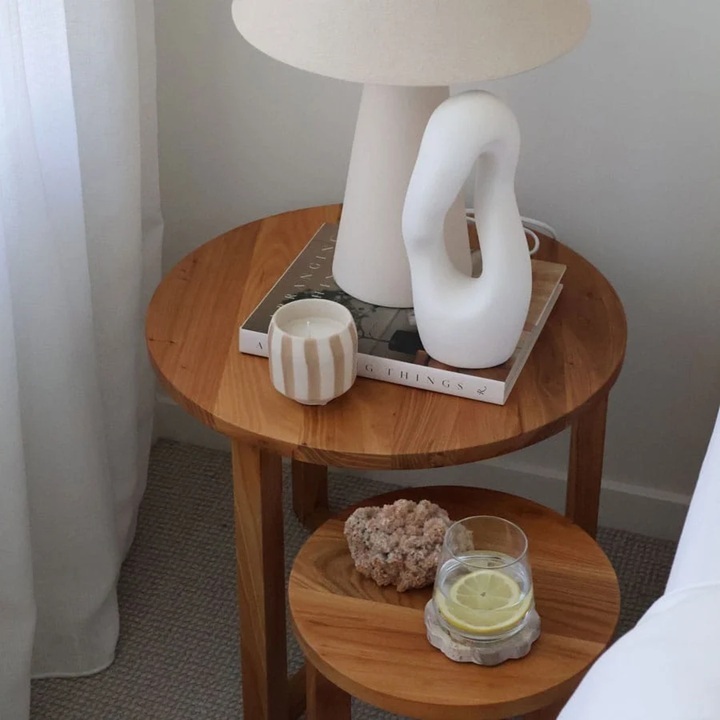
The shape of your designer coffee table should work with the layout of your living room rather than compete with it. Think about the shape of your sofa, the amount of space you have available, and how easily you want people to move around the room. Different silhouettes can create very different effects, so consider these options:
- Square: A square design works nicely with U-shaped seating, corner sofas and smaller, defined seating areas. Its balanced proportions can give the room a structured feel without looking overly formal.
- Rectangular: This is a practical choice for longer rooms and works particularly well alongside corner sofas. Its extended shape can provide ample surface area without interrupting the flow of the room.
- Oval: Curved edges can soften a room filled with straight lines and corners. An oval design is especially appealing when your seating has rounded elements, but its versatile shape can also complement more traditional layouts.
- Round: Circular designs create a relaxed, sociable feel and make it easier to move around the furniture. They can be particularly useful when you want to soften a room with angular sofas or chairs.
Colour Choice
The colour you choose should feel like a natural part of your living room. Look at your existing furniture, flooring and wall colours, then consider whether you want the piece to blend in or create an eye-catching contrast. You can also use the colour to reinforce your decorating style, whether that means warm natural tones for a relaxed space, darker shades for a more dramatic look, or lighter finishes for a fresh, airy atmosphere.
Additional Features and Functions
Looks aren’t everything when choosing a modern coffee table. Features such as hidden drawers, open shelving, or discreet compartments can provide useful places to store books, remotes, and other everyday items. Some designs are also modular or adjustable, giving you the freedom to rearrange them when your needs change. This can be particularly handy when you want extra space for entertaining, relaxing or family activities. A practical coffee table can make your living room feel more organised without taking away from its overall style.