From Mud to Mountains: How to Choose Hunting Footwear for Different Terrains
Contents
Hunting in Australia can mean different things depending on where you’re heading. One trip might take you to Victoria’s rugged High Country to hunt sambar deer. Another one could include walking across Queensland’s vast cattle stations, dry grasslands and scrubland in search of feral pigs, goats and deer.
Then there are the tropical wetlands of the Northern Territory, home to feral water buffalo, where seasonal flooding, muddy ground, swamps and dense vegetation create different hunting conditions. These environments are no place for the unprepared. They demand proper planning and the right hunting boots that can handle the terrain.
Wet and Muddy Ground
source: spika.com.au
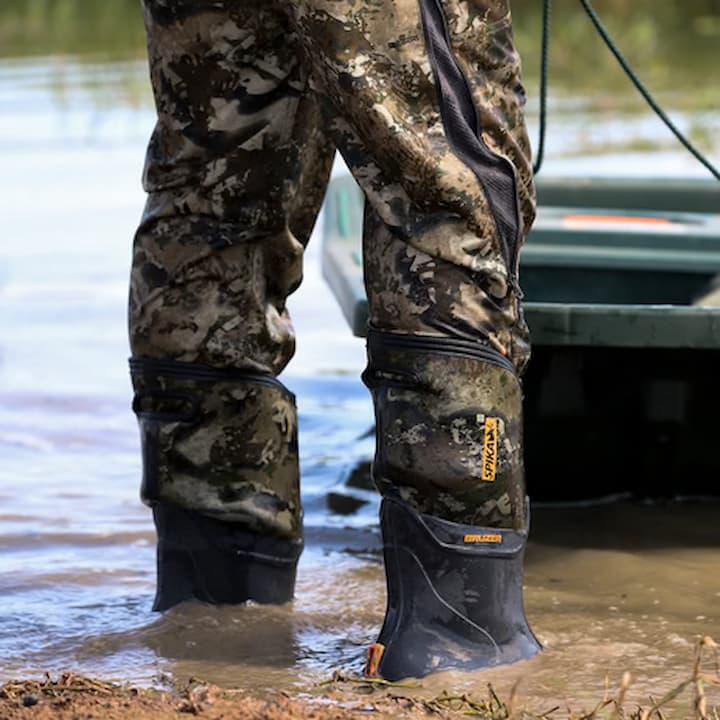
Walking through muddy fields calls for reliable hunting footwear that will keep your feet dry and comfortable. Waterproof hunting shoes with sealed seams and gusseted tongues can be a practical choice when you’re likely to encounter puddles, wet grass, and shallow water.
For instance, rubber hunting boots are worth considering when hunting in these conditions, as they’re easy to clean and naturally water-resistant. Just make sure they have enough insulation for the temperatures you’ll be hunting in.
Height-wise, mid-calf or knee-high models offer additional protection when walking through deeper mud and wet vegetation. Another feature to look for is a good grip. Mud can make even familiar paths surprisingly slippery, so look for deep, widely spaced lugs that help shed mud rather than allowing it to build up underfoot.
Rocky and Mountain Terrain
Mountain hunting brings a different set of challenges. Steep inclines, loose stones, and uneven surfaces put extra pressure on your feet and ankles. In this instance, lightweight rubber boots won’t offer the support you need. Instead, consider sturdy hunting footwear with a supportive midsole, a firm outsole, and good ankle coverage.
Leather is a popular material for this type of footwear. It’s durable and offers protection against scrapes from rocks and rough vegetation. Modern synthetic materials can also provide excellent performance, and they’re generally lighter than full-grain leather.
Whichever you choose, pay attention to the sole. A firm construction helps protect your feet from sharp stones, while a well-designed tread improves grip when climbing or descending.
Forests and Woodlands
Woodland hunting often involves covering considerable distances on a mixture of soft soil, fallen leaves, roots, and occasional rocky patches. Since conditions can change throughout the day, you’ll want footwear that balances flexibility, protection and comfort.
For these environments, mid-height or high-cut hunting boots are often a sensible option. They offer more ankle coverage than ordinary walking shoes while allowing enough flexibility for moving quietly through dense vegetation. A durable leather or synthetic upper can protect against branches, thorns, and other obstacles along the way.
Breathability is particularly important if you’re walking for hours. Boots that trap too much heat and moisture can leave your feet uncomfortable, even in cooler weather. Look for breathable linings and moisture-wicking materials that help manage sweat. If you’re hunting in a region with frequent rainfall, a waterproof membrane is still worth considering, as woodland floors can remain damp long after the rain stops.
Snow and Cold Conditions
Hunting in snow, ice, and freezing temperatures introduces another set of footwear requirements. In these conditions, insulation and waterproofing should be high on your list.
Insulated hunting boots help retain body heat, keeping your feet warm during long periods outdoors. The right insulation level depends on the temperature and how active you’ll be. If you’re constantly moving, heavily insulated boots may cause your feet to overheat. On the other hand, if you’re spending long periods waiting in one spot, additional insulation can make a noticeable difference.
A waterproof exterior is equally important, particularly when walking through melting snow or slushy ground. For icy conditions, you may also need compatible traction aids to reduce the risk of slipping.
When hunting in such conditions, you might need thicker winter socks, so make sure there’s enough room inside the boots for them.
Mixed Terrain
Not every hunting trip takes place in one predictable environment. You might start on a gravel track, cross a muddy field and finish in dense woodland. When your route involves several different surfaces, versatile hunting boots can be a more practical option than footwear designed for one specific terrain.
A good pair of all-rounder hunting boots should be comfortable, lightweight, with reliable waterproofing, moderate insulation, and a durable outsole that performs well on different surfaces. A supportive midsole and good ankle coverage are also worth prioritising.
Getting the Fit Right
Even the most technically advanced hunting boots won’t do much good if they don’t fit properly. Footwear that’s too tight can cause pressure points and blisters, while an overly loose fit allows your feet to slide around, particularly on steep descents.
Try boots on with the socks you’ll normally wear while hunting, preferably later in the day when your feet are slightly swollen. Walk around, test the ankle support, and check that your toes can move freely. If possible, try them on an incline to see how they feel when walking uphill and downhill.
Finally, give new boots time to break in before taking them on a full-day hunting trip. Wear them on shorter walks first to identify any discomfort and allow the materials to adapt to your feet.