Flexi Hoses 101: Everything You Need to Know
Contents
Flexible hoses are one of those everyday items you often overlook until you need one. Built to deliver water or other fluids efficiently, these versatile connectors combine flexibility, convenience and durability in one simple design.
Whether you’re fitting a new tap, connecting a dishwasher or watering your garden, flexi hoses make the job much easier. For serious gardeners, they are an essential tool that saves time, reduces mess and eliminates the frustration of tangled standard hoses. Made from sturdy materials and crafted for a range of uses, they’ve become an essential part of both home plumbing and outdoor tasks.
Uses of Flexi Hoses
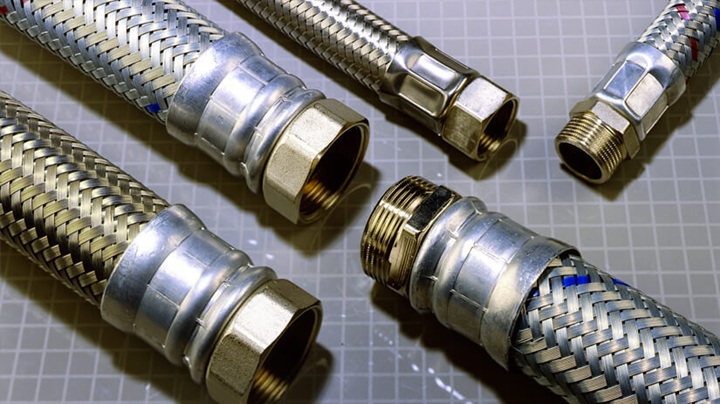
source: fixedtoday.com.au
Plumbing
In plumbing, a flexible hose provides a secure, leak-free connection between water supply lines and fixtures such as taps, toilets, and sinks. Because of its ability to flex and bend, it can fit around corners or through tricky gaps under basins and vanities. It’s often used during installations or renovations to make plumbing work faster and more reliably.
With the right fittings and care, proper flexi hoses deliver steady water flow and reduce vibration or strain on joints that could otherwise cause leaks.
Appliances
Home appliances like washing machines, dishwashers and water heaters also rely on flexible hoses. They act as the bridge between your water supply and the appliance, keeping the water line stable under continuous use. Since appliances often sit in confined areas, a standard rigid pipe wouldn’t suit such spaces.
A good quality hose ensures water flows smoothly without restricting movement or pressure. It’s worth choosing one rated for hot or cold water, depending on the appliance requirements, as not every model can handle high temperatures safely.
Gardening
When it comes to outdoor use, flexible hoses have become a favourite among homeowners. They expand and contract as water pressure changes, making storage simple and preventing kinks. Their lightweight build means you can move them easily around pots, flowerbeds or lawns without dragging a heavy, clunky traditional hose. For households with small yards or patios, a retractable flexi hose is an ideal space saver while still providing enough reach for daily watering.
Features to Consider
Material
The durability of a flexi hose largely depends on its build materials. Most models come with a stainless-steel braided exterior that protects the inner rubber or polymer lining. Stainless steel resists corrosion, while the inner layer maintains consistent water flow and pressure. Some lower-cost hoses may use nylon braiding, which suits light household use but wears faster outdoors.
Design
Design affects flexibility and longevity. Some models come with double-braided exteriors or reinforced ends that prevent fraying or splitting over time. In addition, swivel connectors help avoid twisting or tangling, especially when connecting to fixed taps or appliances. When comparing designs, look for fittings that can handle daily use without leaking, as poor joints can shorten a hose’s lifespan.
Pressure
Pressure rating determines how much force a flexi hose can safely handle. Standard models work fine for residential plumbing, while high-pressure versions suit heavy-duty or industrial applications. If a hose isn’t rated for your system’s water pressure, it might bulge or burst. Australian water supply usually runs between 300 and 500 kPa, so always confirm that your flexible hose matches or exceeds this level for peace of mind and safety.
Dimensions
Length and diameter determine performance and usability. For plumbing tasks, short hoses, typically between 150 mm and 600 mm, are common. Garden and outdoor hoses are longer, stretching from 5 m to 30 m or more. Choosing the correct diameter is equally important because narrower hoses restrict water flow, while oversized ones reduce pressure.
Compatibility
Before buying a flexible hose, check that its fittings match your water connections. Australian tap threads and valves use specific measurements, usually BSP, so confirm this when purchasing. Incompatible fittings can cause leaking or require extra adaptors that may weaken the connection.
Safety Tips
Ratings
All hoses come with manufacturer ratings for pressure and temperature. Never exceed these values, even briefly. Too much pressure or heat can degrade the hose lining or cause failure at the joints. Check the specifications before installation and ensure the rating fits your intended purpose.
Limits
Flexible hoses are designed for fixed water pressure ranges. Attaching them to pumps or systems with fluctuating force may weaken the metal braiding or lead to leaks. It’s also wise to replace any hose over five years old, even if it looks fine, because materials naturally weaken over time.
Damage
Inspect them regularly for cracks, bulges or rust around fittings. Early detection helps avoid unexpected bursts that can lead to water damage. A flexible hose showing signs of wear should be replaced immediately instead of repaired, as patch fixes often fail under pressure.
Water Supply
When connecting to your household water supply, always shut off the main valve before installing or replacing a flexible hose. Secure both ends tightly using the correct spanners, but avoid overtightening, which could strip the threads or crush fittings. Once installed, turn the water back on slowly to check for leaks before full use.