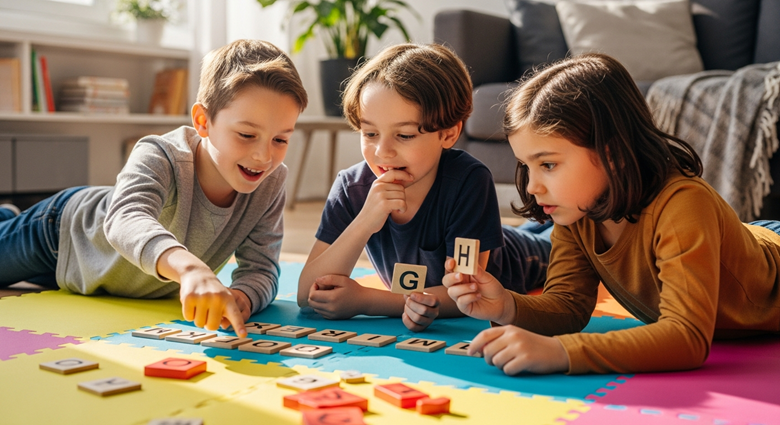
Making Spelling Stick: How Games Turn Word Practice Into Play
Contents
Getting children to practise spelling can be a battle. Ask them to complete another worksheet, and you might get an impressive collection of sighs, blank stares and sudden requests for a snack. The problem isn’t always the words themselves. Repeating the same list again and again can make practice feel like a chore.
Games give you another way to approach it. When children build words, spot patterns, solve clues or compete in a friendly challenge, they get repeated exposure to spelling without sitting down to what feels like another lesson. The learning still happens, but the activity gives children something to focus on beyond simply memorising a list.
What Children Actually Learn Through Spelling Word Games
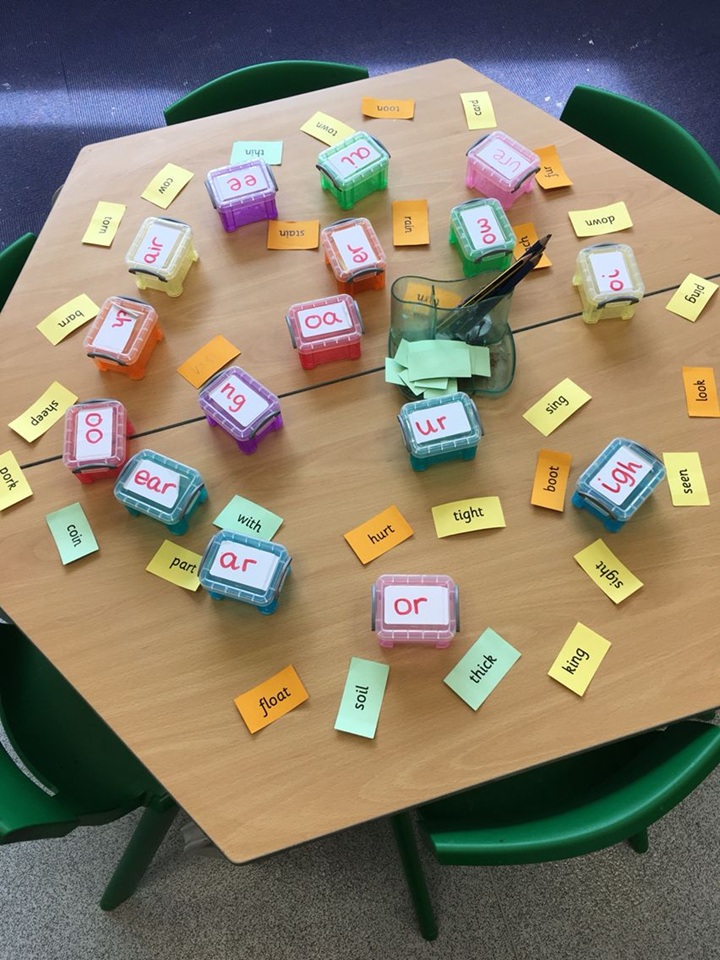
Source: pinterest.com
Spelling involves much more than remembering which letters go together. Children gradually learn to recognise patterns, connect sounds with letters and understand how words are constructed. A good game can give them opportunities to practise several of these skills at once.
For younger children, engaging spelling word games might focus on matching letters to sounds or putting letters in the correct order. As their skills develop, activities can introduce common spelling patterns, word families, tricky words and longer vocabulary.
The real advantage comes from repetition. Children need to encounter words several times before spelling patterns become familiar. Games give them a reason to keep coming back to those words.
They also encourage children to think about their choices. If they put the wrong letter in a word, they have to work out what went wrong. That small moment of problem-solving can be more useful than being told the correct spelling.
Spelling games can also help children:
- recognise recurring letter patterns
- connect sounds with written letters
- build and expand their vocabulary
- practise spelling without constant correction
- develop confidence when working with unfamiliar words
The social side matters, too. Playing with a parent, teacher, sibling, or classmate can encourage children to talk about words and explain how they can answer. That conversation adds another layer to the learning.
Choosing Games for Different Spelling Abilities
The right spelling word games give children a challenge they can actually handle. If an activity feels far too easy, they may lose interest. Make it too difficult, and they can quickly become frustrated.
For children who are just beginning to connect sounds and letters, look for games that keep the focus simple. Matching activities, letter-building games and short words can help them practise basic spelling patterns without overwhelming them.
Once children become more confident, you can introduce activities that ask them to work with word families or common combinations of letters. A game might ask them to build several words from the same set of letters or identify what different words have in common.
Older or more advanced children can handle more complex challenges. Games involving longer words, unusual spellings, vocabulary and word puzzles can encourage them to think beyond basic phonics.
You should also pay attention to the type of challenge a child enjoys. Some children love racing against a timer. Others would rather solve a puzzle quietly. Some enjoy playing against someone else, while others prefer working towards their own score.
The format matters less than the opportunity to practise. Choose an activity that matches the child’s current ability and gives them room to improve.
How to Make Spelling Practice Part of Everyday Play
You don’t have to reserve spelling practice for a specific 30-minute slot at the table. Words are everywhere, which gives you plenty of opportunities to turn ordinary moments into quick literacy activities.
When you’re cooking, ask your child to read an ingredient label or spell a familiar food. At the supermarket, you can turn signs and product names into a quick word challenge. Reading a book together can lead to a conversation about an unfamiliar word and how it is spelt.
You can also create simple challenges at home. Pick a few words from a child’s current reading or schoolwork and turn them into a mini treasure hunt. Write the words on cards and hide them around the room. Each card can contain a clue, a missing letter or a small spelling challenge.
The trick is to keep these activities short and enjoyable. You don’t need to turn every trip to the kitchen into a surprise spelling test.
You can also let children take control occasionally. Ask them to choose a word, create a clue or invent a challenge for someone else. When children become the person setting the puzzle, they have to think carefully about the word themselves.
This approach can make spelling games feel like a natural part of play rather than something that only happens when an adult announces, “Time to practise your spelling.”
Why Playful Repetition Helps Words Stick
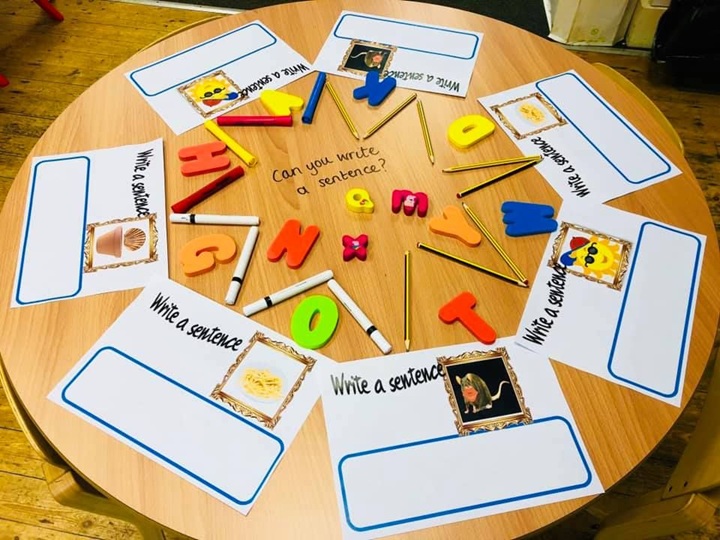
Source: pinterest.com
Children need repetition to develop strong spelling skills, but repetition becomes much easier to manage when it doesn’t feel repetitive.
Think about learning a song. You might hear the same chorus dozens of times without deliberately sitting down to memorise it. Eventually, you know the words. Games can create a similar effect by bringing the same spelling patterns back into different activities.
One day, a child might build a word using letter tiles. The next day, they might spot the same spelling pattern in a puzzle. Later, they might use that word during a reading or writing activity. Each encounter reinforces what they already know.
That repeated exposure also gives children opportunities to make mistakes and try again. A spelling error isn’t necessarily a setback. It can show you exactly which part of a word needs more practice.
Try to keep your response calm when a child gets something wrong. Instead of immediately giving them the answer, ask questions that help them work it out. What sound can they hear? Does the word look like another word they know? Which part seems tricky?
That little bit of thinking can help a spelling pattern become more memorable.
Games can also take some pressure out of practice. When children expect to get every answer right, they may become reluctant to attempt unfamiliar words. A playful activity gives them permission to experiment, make mistakes and try again.
Making Games Part of a Bigger Literacy Routine
Spelling word games work best when they complement other forms of literacy practice rather than replacing them completely. Children still need to read, write and encounter words in meaningful contexts.
You can connect game-based activities to what children are already learning. If a child is working on a particular spelling pattern at school, choose games that reinforce it. If they’re reading a book with unfamiliar vocabulary, use some of those words for a quick challenge at home.
You don’t need to practise for hours. A short activity that keeps a child engaged can be more useful than a long session where they have mentally checked out after five minutes.
Keep an eye on progress, too. If a child consistently struggles with a particular pattern, bring it back into future games. If they have mastered it, increase the challenge slightly or introduce something new.