SAR Flashlights: The Features of an Unsung Hero Explained
Contents
Be it produced by fire, the sun, or electricity, light is one of the most important forms of radiation that is crucial to our survival. This is especially true in emergencies where someone has been trapped or lost.
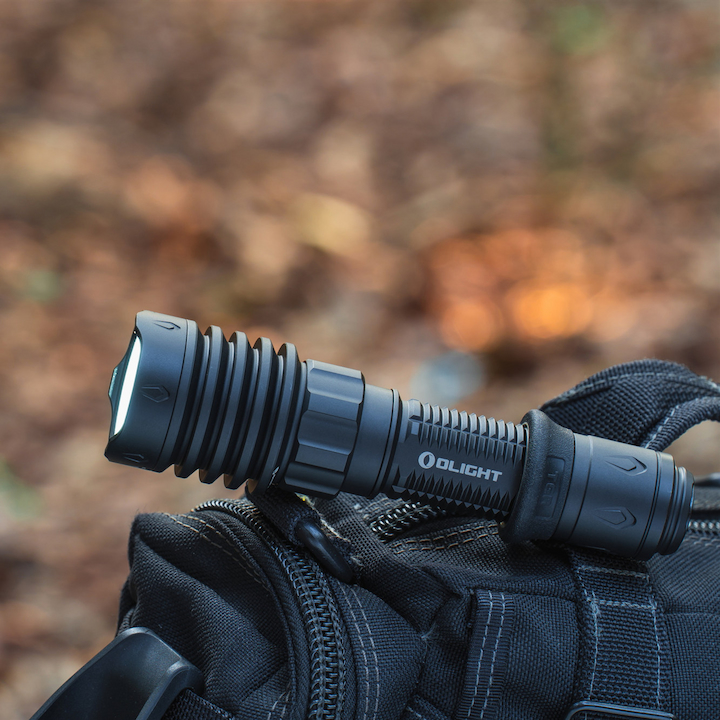
SAR torches are therefore one of the most important pieces of search and rescue parties, despite their appearance being similar to a regular torch. Search flashlights illuminate further and for longer while being extremely rugged and powerful. They can quite literally save someone’s life when you get one with adequate specs and use it with the right accessories.
Features That Matter
source : au.olight.com
Lumens
One of the most important factors to keep in mind when searching for a powerful torch is its brightness. Expressed in lumens, the brightness of the beam an LED search and rescue flashlight can produce depends on the number. The higher it is, the brighter the flashlight, but also the more power it requires, meaning you don’t always need the most powerful torch.
IP Rating
To keep your powerful flashlight working in the most extreme conditions, you should take into account its IP or ingress protection rating. This rating comes in the form of either two numbers, with the first one representing solids and the second representing fluids. An IP rating of 65 or 66 is preferred as it means the torch is protected from water submersion and the tiniest dust particles.
Beam Pattern
The way the light is dispersed from the flashlight determines the type of beam pattern it has. There are search flashlights with flood, spot, or both beam patterns. A flood beam pattern is wide but short, while a spot beam pattern is narrow but long. However, a torch with an adjustable beam pattern that offers both is best, as it makes for a more versatile solution.
Light Modes
A SAR torch with light modes is also more versatile than one with only a few. For instance, you can get a flashlight with 4 different types of modes, such as low, medium, turbo, and moon mode. Low mode means you get the lowest possible brightness, and turbo mode means you get the maximum number of lumens. Medium mode is usually the middle ground between the two in terms of brightness, while moon mode is used when you need to look at a map.
Illumination Range
The maximum illumination range your torch can have determines its capability to help you see what’s far away. No matter the number of lumens it has, the ability to illuminate said lumens, say 1000 metres away from where you are, is what makes the torch more useful.
Tactical Features
Borrowing some of the features of the most advanced flashlights there are is a good thing, and your LED searchlight should have at least some of them. These include SOS and strobe mode, especially when used as dual power modes, since they can make a life-saving difference in emergency responses.
Battery Life
The battery life of the torch depends on the size and type of battery it has. The higher the battery mAh is, the better, and also if it’s an 18650 lithium-ion cell, you get longer runtimes than an AA or AAA alkaline battery. You can go for an LED searchlight with replaceable batteries instead, and just replace them when they need to be, but don’t expect a lot of power from such a flashlight.
Form Factor
The size of a search-and-rescue flashlight determines its portability, but it is also affected by how powerful the torch is and how big its battery is. The higher the light output and the larger the battery capacity, the larger the torch and the less portable it is, and vice versa. Striking a balance is key here.
Other Search and Rescue Essentials
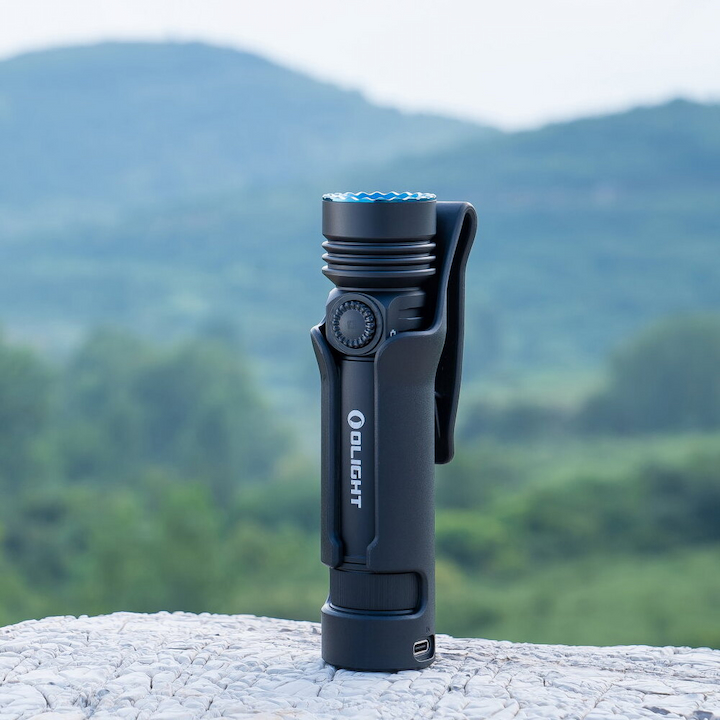
source : au.olight.com
Alongside a proper LED searchlight, a search-and-rescue party also requires the use of navigation devices such as dedicated GPS units and a map. Without them, you’d be just as lost as the person you’re trying to find.
Communication
Another important piece of equipment that no search-and-rescue team goes without is a handheld radio. Communication is key, especially when you need to cover a large area, as knowing which team members have covered which part of the area saves you from wasting time and helps in being more efficient, too.
First Aid
Whether you ever use it or not, a first aid kit is essential since it can be used on a survivor or even someone on your search team in case of an accident. Also, consider getting a pouch alongside a full first aid kit, as it can help you pack more medical items, which is especially important if you are a medic.
Rigging Equipment
Together with a rope, rigging equipment such as carabiners, pulleys, and harnesses can help you navigate challenging terrain and extract someone vertically in a safe and secure manner.