Waterproof Shoes vs Waterproof Boots: Which Should You Choose?
Contents
Rain soaking through your shoes, mud squelching under your feet, or snow creeping in at the edges—wet feet have a way of ruining even the best plans. It only takes a few minutes of discomfort before you start thinking about nothing else. The right footwear changes that completely. When your shoes keep water out and stay comfortable, you can focus on where you’re going instead of what you’re stepping in.
Waterproof footwear isn’t just for outdoor adventures. You rely on it more often than you think—walking to work on a rainy morning, running errands in unpredictable weather, heading out for a weekend stroll, or spending hours on your feet. The challenge isn’t deciding if you need it, but choosing the right type.
Shoes and boots both protect your feet from the elements, but they feel very different once you put them on. Shoes keep things light and easy, while boots offer extra support and protection when conditions get tougher. The better you understand how each one works, the easier it becomes to pick something that fits your routine without overcomplicating things.
What Are Waterproof Shoes?
source: skomani.no
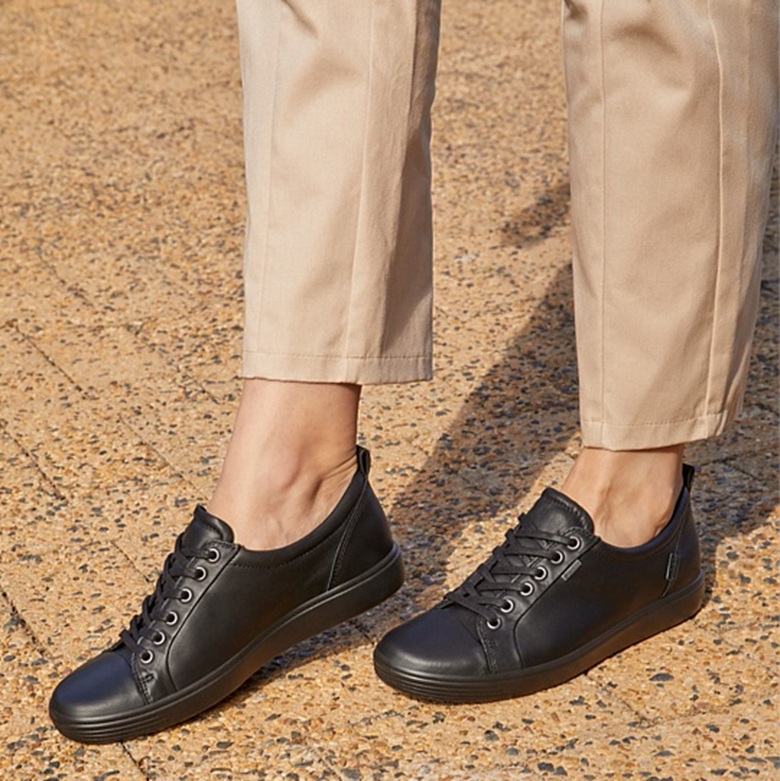
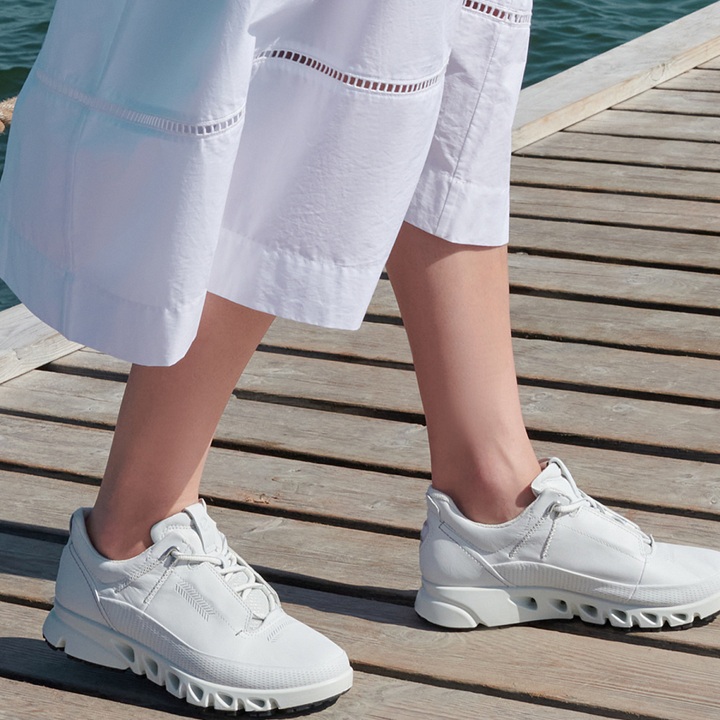
These shoes are designed to protect your feet while keeping things light and flexible. They don’t weigh you down, and you can wear them all day without feeling trapped in heavy boots. If you want dry feet without sacrificing comfort, these are your go-to.
What Makes Them Great
-
Lightweight and easy to move in
-
Breathable fabrics that stop your feet from sweating
-
Flexible soles that bend as you walk
-
Waterproof membranes like Gore-Tex that block water while letting air circulate
Where They Shine
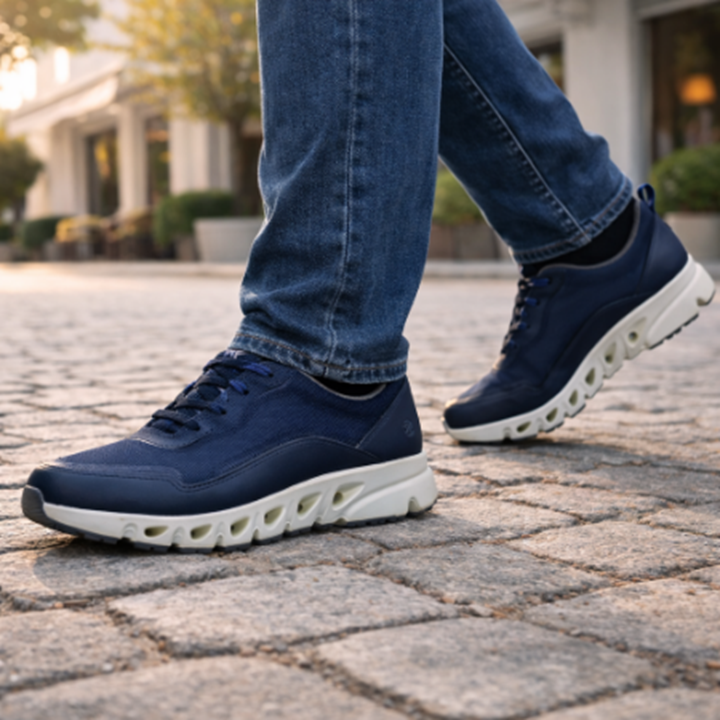
You can wear these shoes on city streets, during light hikes, on your travels, or for casual walks. They combine protection with comfort, making them perfect when you’re on the move.
What to Look For
source: skohusetharstad.no
When shopping for waterproof comfortable shoes, pay attention to:
-
How breathable they are
-
Grip on slippery surfaces
-
Proper fit that is snug but not tight
-
A style that fits your daily outfits
For anyone who wants to stay dry without sacrificing comfort, waterproof shoes are the easiest choice.
What Are Waterproof Boots?
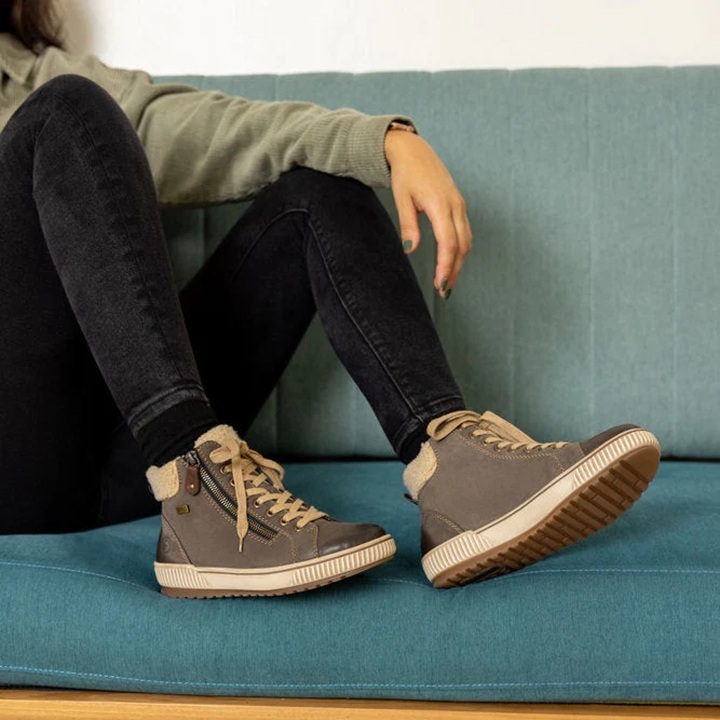
Waterproof boots are built for tougher conditions. They offer more coverage, durability, and protection, making them ideal for demanding environments.
Key Features
-
High ankle support for stability
-
Thick, rugged soles for better traction
-
Durable materials such as leather or reinforced synthetics
-
Optional insulation for colder climates
Common Uses
Boots are designed for situations where conditions are less forgiving:
-
Hiking on uneven or muddy terrain
-
Snowy or icy environments
-
Outdoor work settings
-
Long-distance trekking
What to Look For
When shopping for waterproof boots, focus on:
-
Support: Especially important for long walks or carrying weight
-
Durability: Materials that can handle wear and tear
-
Insulation: If you’ll be in colder climates
-
Traction: Deep treads for grip on slippery surfaces
Key Differences: Shoes vs Boots
While both options keep water out, their differences become clear when you compare them side by side.
Weight and Comfort
Shoes are lighter and more flexible, making them comfortable for extended daily wear. Boots, on the other hand, are heavier but provide added protection.
Support and Protection
Boots offer superior ankle support and are better suited for rugged terrain. Shoes prioritise mobility and ease.
Breathability
Shoes generally allow for better airflow, which is ideal in milder conditions. Boots can feel warmer, especially insulated ones.
Pros and Cons
Waterproof Shoes
-
Pros: Lightweight, breathable, versatile
-
Cons: Less support, not ideal for extreme conditions
Waterproof Boots
-
Pros: Durable, supportive, excellent protection
-
Cons: Heavier, less breathable
Both have their place—it simply depends on how and where you plan to use them.
When Should You Choose Shoes vs Boots?
source: grundysshoes.com.au
Choosing between shoes and boots often comes down to your daily activities and environment.
Go for Shoes When:
-
You walk in the city or the suburbs
-
You need something light for travel
-
Comfort matters most
-
You face rain rather than extreme conditions
Go for Waterproof Boots When:
-
You hike or explore rough trails
-
You want strong ankle support
-
You deal with snow or ice
-
You need tough, long-lasting protection
Boots are the better option when conditions demand resilience and protection, and shoes are for more regular activities.
What to Consider When Shopping
Think about your daily life and how your footwear will keep up.
-
Purpose: Pick shoes for light walking, boots for demanding terrain.
-
Climate: Breathable shoes suit mild conditions; insulated boots work for cold weather.
-
Comfort and Fit: Try them on and walk around. Dry feet don’t matter if your feet hurt.
-
Material and Technology: Look for waterproof membranes such as treated leather.
-
Style: Choose a pair you actually want to wear every day.
When browsing options, you’ll notice a wide variety of waterproof comfortable shoes designed for different needs, from sporty trainers to more formal styles.
Conclusion
Choosing between shoes and waterproof boots doesn’t have to be complicated. Both serve the same essential purpose, keeping your feet dry, but they cater to different lifestyles and conditions.
If you’re after something lightweight, breathable, and suitable for everyday use, shoes are the clear winner. They’re practical, versatile, and ideal for most urban environments. On the other hand, if your activities take you into rough terrain, colder climates, or more demanding conditions, boots provide the support and durability you need.
Once you know what you need for your lifestyle, every step outside becomes easier, and a lot more enjoyable. Rain, mud, or snow won’t stand a chance against the right pair on your feet.