From Leotards to Leggings: A Parent’s Guide to First Gymnastics Class Clothing
Contents
Parenthood is a constant cycle of new experiences. One of those moments is watching your child try out something new, like gymnastics. As a parent, you’re likely to have plenty of questions, among which gymnastics gear like the clothing appropriate for class.
What Should My Child Wear to Gymnastics Class?
source: magnific.com
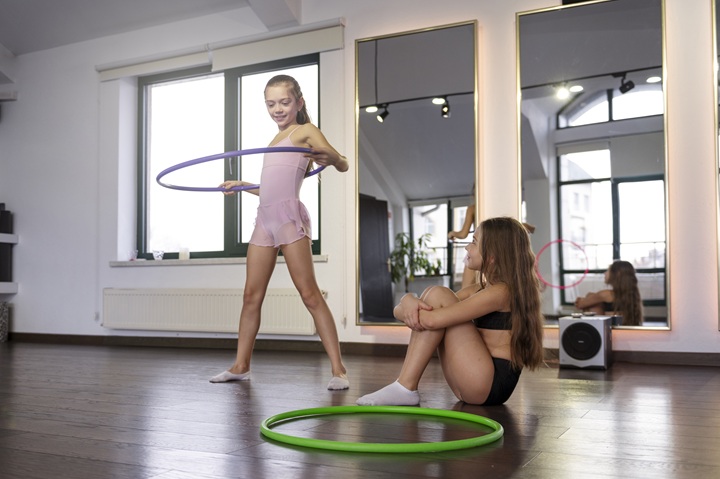
There isn’t a single answer to this question, because what your child should wear is usually guided by the school, the type of class, and the age group. Most clubs will provide a simple dress code when you enrol, and it’s always best to follow that first.
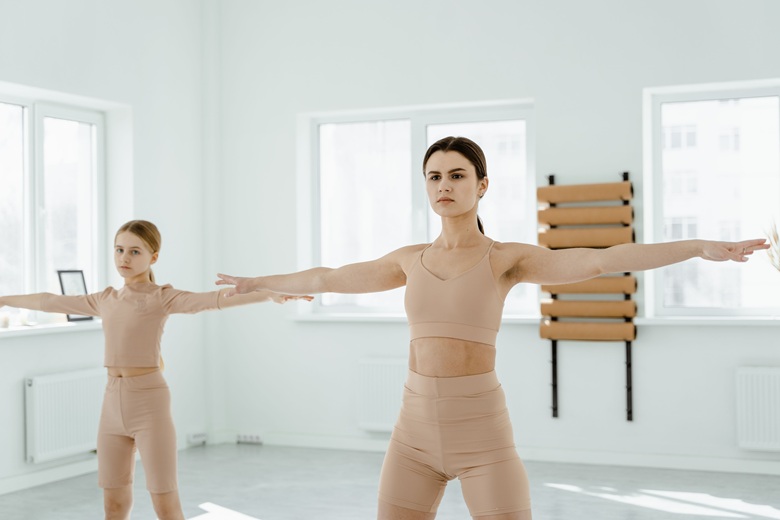
However, despite the small differences between schools and classes, there are a few key features typical for most. In general, younger gymnasts should wear comfortable and close-fitting gymnastics clothing. Loose garments are usually avoided, as they can catch on equipment and make it harder for coaches to spot body alignment.
Also, gymnastics clothing should not have zippers, snaps, buttons, free dangling strings, or anything that could dig in or cause discomfort. Next, it goes without saying that this type of clothing should be appropriate for their age. Gymnastics wear for kids is not a mini version of adult outfits. It’s more practical and modest but still cute and expressive.
It often features bright colours, playful patterns, glitter accents, and fun themes that appeal to younger athletes. At the same time, it offers more coverage than adult styles. Higher necklines, wider shoulder straps, fuller backs, and longer sleeves are all common features found in kids’ designs. Cut-outs, low backs, and high-cut leg openings are more common in senior gymnastics wear.
Clothing Suggestions
T-shirts and Leggings
Most beginner gymnastics classes are fairly relaxed when it comes to attire, so there’s usually no need to rush out and buy expensive specialist clothing (but again, check your club’s guidelines). Basic activewear like fitted shirts and shorts are a common starting point for younger children who are just getting comfortable in a class environment.
Regular leggings can also work well if they are stretchy, comfortable and not too loose. Speaking of leggings, avoid thick and stiff materials that can restrict movement.
These garments are simple, practical and don’t feel too grown-up or over the top. Although shirts and leggings are not always the standard long-term choice, they’re usually considered appropriate for introductory or recreational sessions, where strict dress codes are less likely to apply.
Leotards
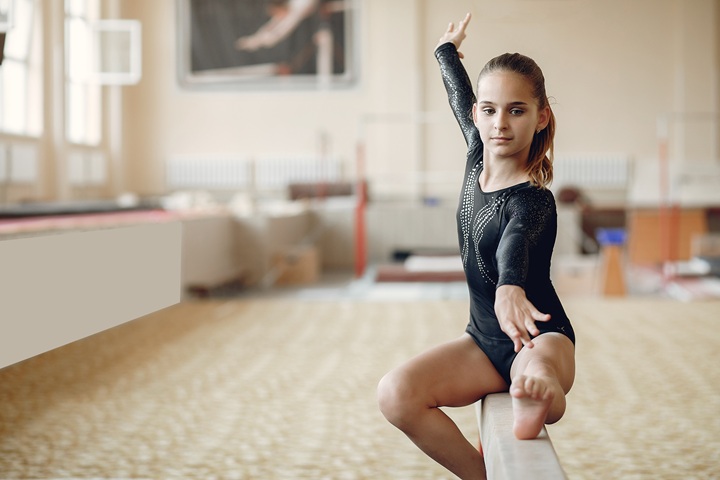
One-piece leotards are probably the most common apparel young gymnasts wear for structured gymnastics classes. They are more common for competitive and advanced levels. Kids’ leotards often have higher necklines, fully covered backs, and snug leg openings to ensure better coverage during routines and practice.
These garments come in many colourful designs with patterns and sparkly details that let children showcase a bit of personality. If your little one doesn’t like bold and sparkly designs, there are plenty of simple and minimal leotards with subtle details. When it comes to styles, camisole leotards are a popular pick for their simple and clean design. They often come with adjustable straps that can be either narrow or broad.
Tank top leotards are similar to camisole leotards, with the main difference being the straps. With the tank leotard, they’re wider and look like a tank top. Halter leotards have straps that go around the neck, while sleeved leotards feature attached sleeves that vary in length.
With so many styles and designs available, it’s natural for parents to ask how many leotards a gymnast should have. As a rule of thumb, one leotard per gym session is the minimum your gymnast should keep in her wardrobe. You can add a themed leotard or two for holidays and events throughout the year.
Parents may also wonder whether kids should wear undergarments under their leotards. There are no strict rules when it comes to this. Many young gymnasts choose not to wear them, but if your child feels more comfortable with extra coverage, opt for seamless, high-cut briefs that fit smoothly under the leotard.
Biketards
Biketards are a popular alternative to leotards. Simply put, biketards are leotards with attached shorts. They offer extra coverage that’s a plus for toddlers who wear underwear or a diaper. Many parents opt for these because there’s no need to worry about undies showing.
In terms of design, again, kids’ biketards are more playful than adult versions. They often come in:
- Bright colours like pinks, purples, blues, and neon shades;
- Glitter, sequins, or metallic panels;
- Fun prints such as stars, swirls, florals, or themed patterns;
- Contrasting sleeves or colour-block designs.
Sizing Tips
source: magnific.com
One common mistake that parents make is buying gymnastics clothes that are several sizes too large so a child can “grow into it”. While that may work for everyday clothing, it’s not recommended for gymnastics. Start with your child’s usual clothing size and only size up when they’re between sizes.
Most clothing brands provide detailed size charts, so make sure to take a few measurements and compare them to the manufacturer’s recommendations. This step can help you find the best fit without resorting to excessive room for growth.