

The Complete Guide to Hand Held Barcode Scanners
Contents
- 1 What Makes Hand Held Barcode Scanners a Smart Choice?
- 2 How Do Hand Held Barcode Scanners Work?
- 3 Finding the Right Fit
- 4 Everyday Performance and Productivity
- 5 Inside the World of Barcode Scanners
- 6 Versatility and Alternatives
- 7 Tips for Getting the Most Out of Your Scanner
- 8 Scanning Made Easy for All
Across retail counters, busy warehouses, and local cafés, barcode scanners quietly support daily Australian business. Whether checking out groceries or receiving shipments, the right technology keeps everything accurate and smooth. As operations accelerate and customers expect swift service, tools like hand held barcode scanners become essential for reliability and efficiency in managing stock and sales.
What Makes Hand Held Barcode Scanners a Smart Choice?
Hand held barcode scanners suit Australian businesses of all shapes and sizes, from small retailers to expansive warehouses. Their flexibility allows staff to quickly scan items at checkout, in storerooms, or on the move. Ergonomic designs and easy integration mean product tracking, inventory management, and point-of-sale tasks happen effortlessly.
These scanners provide adaptable solutions for many situations. Whether managing a busy retail counter or organising warehouse stock, their portability ensures you’re not tied to one spot. This mobility, combined with straightforward operation, speeds up processes and reduces errors, boosting overall productivity. Their ease of use helps reduce staff training time and supports a more efficient workflow. In cases like that, owning precise and responsive barcode scanners is a smart move for any modern business.
How Do Hand Held Barcode Scanners Work?

source: www.cino.com.tw
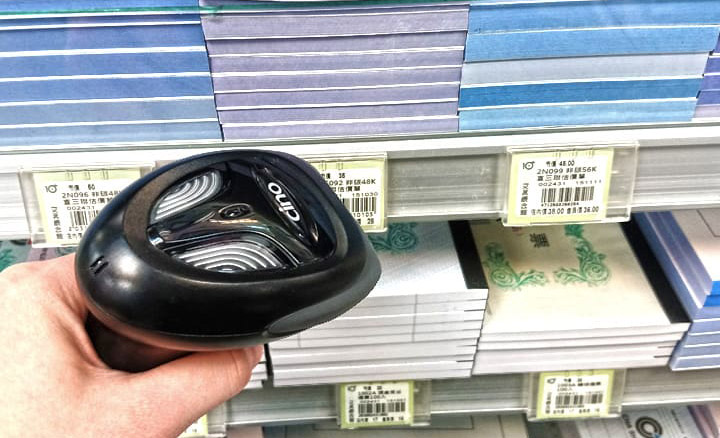
Hand held barcode scanners primarily use two types of scan engines: Laser and Imager. Laser scanners emit a narrow beam to read standard 1D barcodes, while imager models function like digital cameras that can decode both 1D and 2D (including QR) codes. Many now scan codes directly from smartphone or tablet screens, supporting modern loyalty and contactless checkout systems.
Connectivity comes in USB, Serial (RS232), or Bluetooth varieties. USB scanners are simple to connect, providing reliable wired performance. Bluetooth options offer wireless freedom, ideal for mobile tasks or larger spaces. Many wireless models include charging cradles, combining workspace tidiness with quick recharging. Selecting the right type of connection can enhance convenience and reduce cable clutter, a notable benefit in busy retail or warehouse environments.
Compatibility with popular point-of-sale software ensures scanners deploy easily without tech headaches, allowing staff to focus on customers and operations.
Finding the Right Fit
Every business environment is unique, so choosing a suitable scanner depends on specific needs. In warehouses, rugged models resist drops, dust, and moisture, while small retail counters benefit from compact, lightweight designs offering a comfortable grip for all-day use.
Consider the barcodes you’ll scan. Some businesses only need 1D, others require 2D or QR capabilities for digital tickets or pricing. Also, decide if scanning from paper is sufficient or if reading from screens is necessary.
Connectivity preference matters too: wired scanners deliver secure connections, while wireless or Bluetooth models provide freedom to move without cables. A wide selection of options ensures that each business, regardless of size or industry, can find a scanner tailored to its unique situation.
Thinking ahead, choosing a scanner that supports your business’s growth is wise. Models offering firmware upgrades or expanded capabilities help future-proof your investment.
Everyday Performance and Productivity
Hand held barcode readers improve day-to-day operations significantly. In retail, faster scanning reduces queues and lowers human error. Staff can serve customers quickly without manual data entry mistakes, raising satisfaction.
In warehouses, these scanners transform inventory tasks from taxing, error-prone efforts into swift, accurate routines. This reduces overstock, shortages, and costly counting errors, ultimately saving money and time.
The convenience offered creates a ripple effect: more efficient staff, happier customers, and tighter business control. Furthermore, reliable scanning technology contributes to better record-keeping, supporting compliance and audit readiness.
Inside the World of Barcode Scanners
source: www.cino.com.tw
The range of hand held barcode scanners includes basic 1D laser models and advanced 2D imagers capable of reading QR codes on paper or screens. This capability is vital for supporting today’s digital loyalty cards and contactless payment receipts.
Interface options cover USB plug-and-play for easy installation and Bluetooth for wireless mobility, useful in settings like pop-up shops or large warehouses. Charging cradles help maintain order and power scanners.
Models vary widely in durability: from lightweight handheld devices designed for retail counters to robust industrial scanners built to endure drops, dust, and moisture. Ergonomic shapes reduce user fatigue during heavy scanning workloads.
Compatibility with major point-of-sale systems ensures integration is smooth, whether using traditional hardware or cloud-based tablet checkouts. Wireless connectivity keeps businesses flexible and future-ready.
Laser engines scan quickly and reliably for standard barcodes, while imagers decode complex formats. This versatility allows businesses to accept a wider range of codes, streamlining transactions and data capture.
Versatility and Alternatives
Businesses differ in size and needs; so do their scanning requirements. For small shops, a straightforward corded scanner might do the trick perfectly. Meanwhile, wireless solutions enable staff to cover large areas like warehouses or event spaces efficiently. Rugged models withstand harsh work conditions with drops and dust.
High-volume checkout environments benefit from lightweight scanners that support rapid consecutive uses without tiring users. Warehouses can select durable scanners built for constant heavy use.
If classic hand held scanners don’t meet all needs, alternative scanner types, such as presentation or industrial models, are available, offering flexible options for varied workflows.
Tips for Getting the Most Out of Your Scanner
To keep your scanner reliable, basic care is key. Follow installation instructions closely, ensuring cables and cradles are secure. Regularly clean the scan window to avoid errors caused by dust or smudges.
Update firmware and software to stay compatible with point-of-sale system updates and gain performance improvements. If scanning slows, check cable connections or battery health on wireless devices.
Before purchasing, verify compatibility with your point-of-sale system via support channels if needed. As business demands evolve, plan upgrades from wired to wireless or from basic to advanced models to keep pace.
Scanning Made Easy for All
Hand held barcode scanners are simple yet powerful tools that boost speed, accuracy, and efficiency in Australian businesses. Choosing the right device enhances checkouts, inventory management, and overall workflow, delighting staff and customers alike.
With a broad selection of technologies and designs, scanning solutions exist to suit nearly every environment, making scanning straightforward and dependable.


