Patchouli Essential Oil: A Guide to Its Uses and Benefits
Contents
With its rich aroma and versatile applications, patchouli essential oil has earned a place in both aromatherapy and skincare routines. It’s a popular choice for perfumes and diffusers, creating an atmosphere that feels calm and grounding. It’s also valued in skincare products, where it moisturises the skin and improves its overall appearance. Of course, how you use it depends on your preferences and needs, and essential oils should always be diluted appropriately before topical application.
Add depth to your favourite diffuser blends or homemade fragrance recipes by using pure patchouli essential oil with an earthy aroma. Choosing a pure oil means you’re getting the natural aromatic character of patchouli without added fragrances or unnecessary fillers. Its versatile scent also pairs well with other oils, including citrus, floral, and woody varieties, making it easy to experiment with different combinations. Read on to explore the common uses of this essence, its potential benefits, and the best ways to incorporate it into your routine.
Common Uses
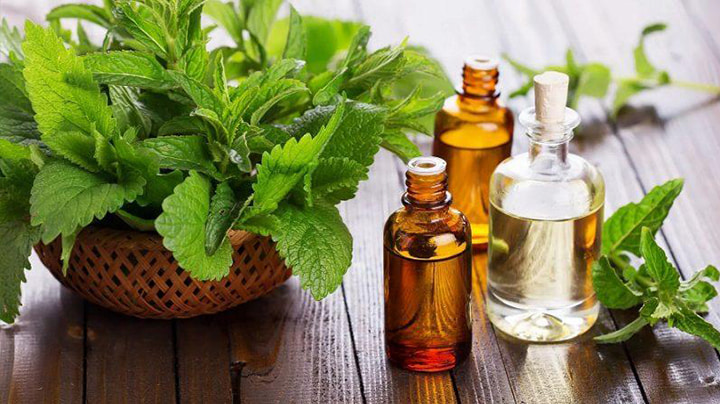
source: forestessentialsindia.com
With its deep, earthy scent, patchouli oil is a versatile addition to everything from home fragrance routines to personal care products. Its warm, musky aroma blends well with many other scents, while its use in skincare and perfumery has helped make it a long-standing favourite. Here are a few ways you can enjoy it:
-Creating a relaxing atmosphere: Add a few drops to a diffuser, following the device’s instructions, to fill your space with its rich, woody fragrance. Some people find this scent grounding and enjoy it as part of a quiet evening routine.
-Adding to skincare products: Pure patchouli essential oil is used in some skincare formulations to complement moisturisers and other products. Always dilute it in a suitable carrier or finished product according to guidance, and patch-test before use, as these products can irritate the skin.
-Making your own fragrance: Its distinctive musky notes work well with citrus, floral, and other woody scents. Experiment with carefully diluted blends to create a personal perfume or cologne.
-Refreshing your hair-care routine: You can find this scent in some hair and scalp products, often alongside other aromatic ingredients. Choose products designed for hair use rather than applying undiluted product directly to your scalp.
-Pairing it with other aromas: Try blending it with oils such as peppermint, lime, or vetiver to explore different scent combinations. The result will depend on the proportions and the other scents you choose.
Whether you enjoy its earthy fragrance in a diffuser or prefer it in a carefully formulated personal-care product, patchouli offers plenty of ways to explore aromatic blends. Keep in mind that essential oils are concentrated: never ingest them or apply them undiluted to your skin, and follow the guidance for the specific product you use.
What Does Patchouli Look Like?
Patchouli is a leafy, bushy herb that belongs to the mint family. Its green leaves have slightly jagged edges, while its stems typically grow around two to three feet tall. When the plant flowers, it produces small pink and white blooms that add a subtle touch of colour to its leafy appearance. The essential oil is obtained from the plant’s leaves, which contain the distinctive aromatic compounds responsible for its rich, earthy scent. Although this plant is often recognised for its use in perfumes and personal care products, it starts as a modest-looking plant with lush green foliage.
What Does It Contain?
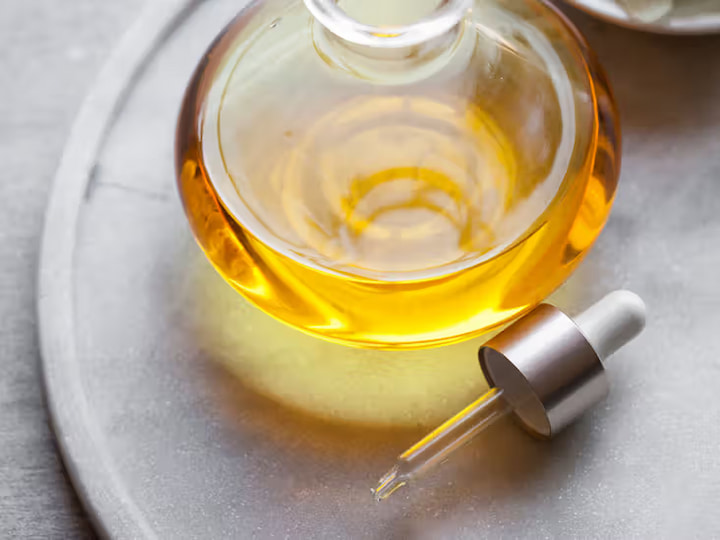
source: healthline.com
Patchouli’s distinctive earthy aroma comes from a combination of naturally occurring compounds in its leaves. One of the main components is patchoulol, an alcohol with a sesquiterpene structure that contributes to the oil’s characteristic scent. Other notable compounds include α-bulnesene and α-guaiene, which help shape its overall aromatic profile. Together, these constituents give the plant its rich, musky fragrance, making it a popular choice in perfumery and essential oil blends. The exact chemical composition can vary depending on factors such as the plant’s growing conditions and how the product is made.
What to Pair It With
Patchouli’s warm, earthy scent pairs well with a variety of other essential oils, making it easy to create different fragrance combinations at home. For a rich, woody aroma, try blending it with sandalwood, while bergamot adds a fresh citrus note that balances its deeper scent. If you prefer something more herbal or floral, peppermint, lavender, geranium, and clary sage are also worth exploring. Rose offers a softer, sweeter touch that complements patchouli’s musky character. Experiment with different combinations in your diffuser to find a blend that suits your taste and creates the atmosphere you’re looking for.
What to Look Out For
Although patchouli essential oil is valued for its rich aroma, it’s important to handle it carefully, especially when using it on your skin. These products are concentrated and may cause irritation or sensitivity, so follow the product’s dilution instructions before applying it topically. Keep the bottle safely out of children’s reach, and avoid getting the product in your eyes, ears or other sensitive areas. If you’re pregnant, breastfeeding, or receiving medical care, speak with your healthcare professional before use to make sure it’s appropriate for you. Take a few simple precautions to enjoy its distinctive scent while using it responsibly.