What to Look for When Buying a Wok
Contents
A good wok can make preparing quick, flavourful meals at home much easier. Its deep bowl and sloping sides give you plenty of room to toss vegetables, stir-fry meat, and move ingredients around. But with so many materials, sizes, and designs available, finding the right one takes a little thought. The best choice depends on your stove, cooking habits, and how much maintenance you’re willing to put in.
Here are some key features to consider, popular materials, and tips for choosing a pan for everyday home cooking or a busy commercial kitchen.
Brand Reputation
source: kitchenwarehouse.com.au
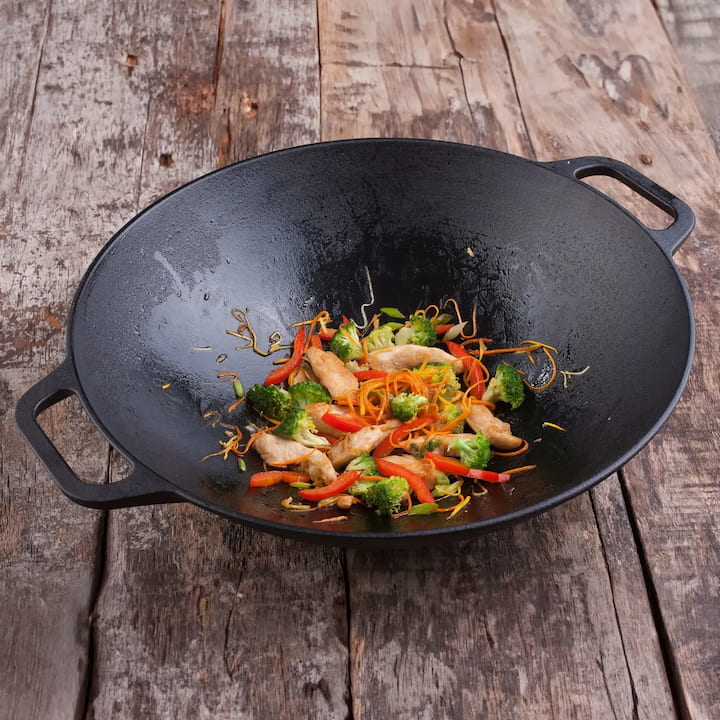
When shopping, look for woks from established brands with a reputation for quality and reliability. Names like Essteele, Jamie Oliver by Tefal, Anolon, Scanpan, Chef Inox, Stanley Rogers, and Le Creuset offer a useful starting point. While every brand has its unique range of products, looking at trusted manufacturers can make it easier to narrow down your choices. Check the materials, construction, heat compatibility, and care instructions before buying, rather than relying on the brand name alone. A well-chosen pan should suit your stove, cooking habits, and budget.
What’s the Ideal Material?
The material of your wok pan affects how quickly it heats up, how well it retains heat, and how much care it needs. Here’s what to keep in mind when comparing the main options:
-Carbon steel: A popular choice for high-heat stir-frying because it heats quickly and responds well to temperature changes. It needs seasoning and regular care to maintain its surface.
-Cast iron: Holds heat well for searing and deep-frying, but its weight can make it harder to handle.
-Stainless steel: Offers easy maintenance and handles acidic ingredients well, although food may stick without the right cooking technique.
-Nonstick: Makes cooking and cleaning easier at moderate temperatures, but the coating may not withstand the high heat needed for traditional stir-frying.
Think about your usual recipes, preferred cooking temperature, and how much maintenance you’re comfortable with. Choosing a material that matches your habits will help you get more out of your pan.
What are the Common Wok Sizes?
source: kitchenwarehouse.com.au
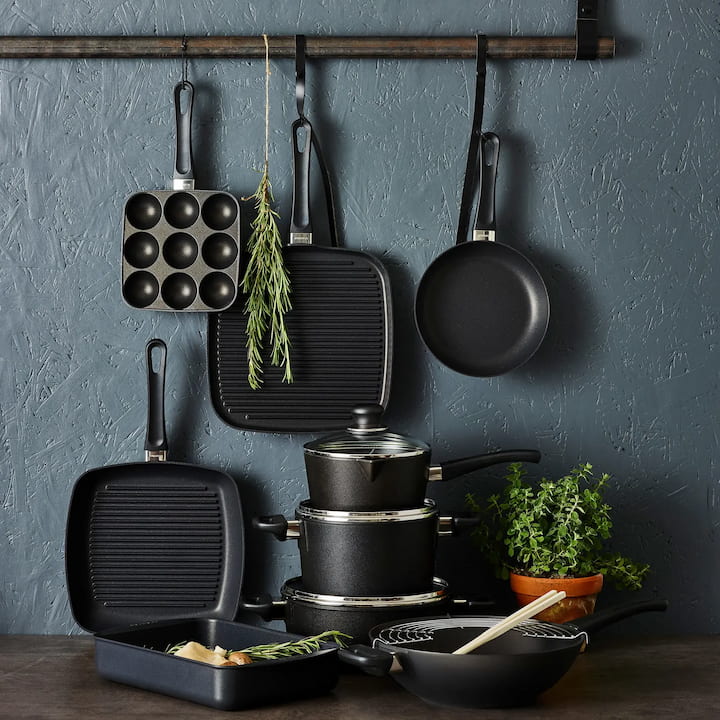
When browsing for different woks, the right size depends on how many people you usually cook for and the space available on your stove. Consider these common options:
-25-30cm: Ideal for one or two servings, making it a practical choice if you’re cooking for your better half or making solo meals.
-33-35cm: A versatile middle ground for preparing dinner for three or four people without making the pan too difficult to handle.
-38-40cm or larger: Better suited to big family meals, batch cooking, or preparing generous portions for gatherings.
Remember that a bigger pan isn’t always better, especially if your burner struggles to heat it evenly. Choose a size that matches both your usual portions and your stove’s capabilities for more consistent cooking results.
Round Bottom vs. Flat Bottom
The shape of the base matters just as much as the material, particularly when it comes to compatibility with your stove. Round-bottom wok pans are great for traditional stir-frying over gas flames, allowing ingredients to move smoothly around the curved surface. However, they usually need a special ring for support and aren’t suitable for most flat electric or induction cooktops.
Flat-bottom models offer greater stability and work with a wider range of modern stoves, making them a convenient option for most kitchens. Before buying, check your cooktop’s requirements to ensure your new pan sits securely and heats properly.
5-Step Decision Process
Choosing the right wok pan is easier when you focus on how you’ll use it rather than getting caught up in all the available options. Keep these five factors in mind before making your purchase:
-Stove compatibility: Check your cooktop first. Flat-bottom designs suit most electric, glass-top, and induction stoves, while round-bottom versions generally work best with gas burners and a suitable support ring.
-Material: Carbon steel is a popular option for high-heat stir-frying, while cast iron retains heat for searing and deep-frying. Stainless steel is convenient to maintain, whereas nonstick suits gentler cooking.
-Size: Choose a diameter that matches your usual portions and your burner’s heating area. A 30- to 35-cm pan is a practical starting point for many households.
-Handles and extra features: A long handle makes tossing ingredients easier, while two loop handles can provide better support for heavier pans. A lid is also useful if you plan to steam or braise food.
-Thickness and construction: Pay attention to the pan’s thickness and overall construction, as flimsy materials may warp under high heat.
Choosing the right wok means balancing practicality, performance, and your personal cooking style. Consider your stove type, the meals you enjoy making, and how much time you want to spend on cleaning and maintenance before settling on a particular model. With the right combination of size, material, and design, you’ll have a reliable kitchen essential that makes everything from quick weeknight stir-fries to special dinners for your better half easier to prepare.