How to Choose the Right Golf Wedge
Brand Reputation
source: affordablegolf.co.uk
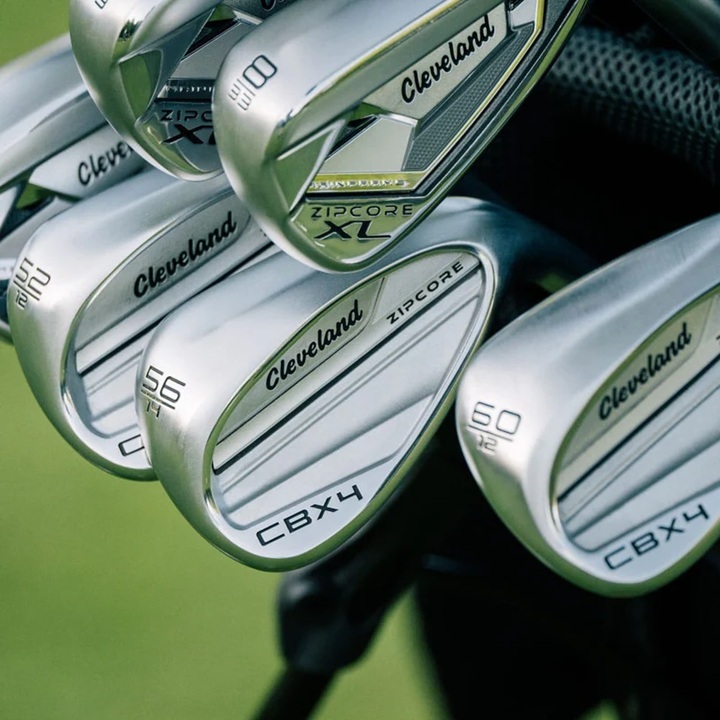
If you want to generate impressive spin rates that help you stop the ball exactly where you want it, even on firm greens, opt for high-spinning Cleveland golf wedges, particularly those from the RTX series. What makes them stand out is the precise face milling and advanced groove technology. These features bite into the ball cleanly, creating consistent spin while giving you that satisfying, responsive feel at impact. Cleveland wedges offer excellent versatility and feedback, whether you’re hitting a delicate flop shot or a full wedge into the green.
They’re also surprisingly forgiving for such precision tools, making them a great choice for both single-digit players and improving amateurs. If you value control, consistency, and that confident “I can get up and down from anywhere” feeling, Cleveland’s clubs are worth trying.
Lofts and Gapping
Once you’ve decided how many short-game clubs you want in your bag, the next step is figuring out the right lofts to create smooth gaps. Start by checking the loft on your pitching Cleveland golf wedges or your 9-iron, depending on whether you’re keeping or replacing your set’s default option.
Modern iron sets have become stronger over the years, so many pitching wedges now sit in the low-to-mid 40s rather than the high 40s like they used to. Avoid big distance gaps in your short game. Ideally, you want roughly four to five degrees of difference between your 9-iron and your first short club, and then similar spacing as you go higher. Most players finish with a lob option around 58 or 60 degrees. Getting these numbers right helps ensure you have the right tool for every situation around the green, rather than leaving awkward yardages where nothing quite fits.
Sole Grind
Sole grind has quickly become one of the most talked-about features when choosing a modern Cleveland wedge. In simple terms, it refers to the shaping and material that manufacturers remove from the bottom of the club to change how it moves through different types of turf and lies.
Some grinds are created for maximum versatility, making the club forgiving and easy to use in a wide range of situations. Others are more specialised, for example, taking away extra material from the heel area so you can open the face more easily for soft, high shots without the club digging in. Understanding sole grind helps you pick the club that genuinely suits your swing and the kind of conditions you usually play in.
Finish
source: bunkered.co.uk
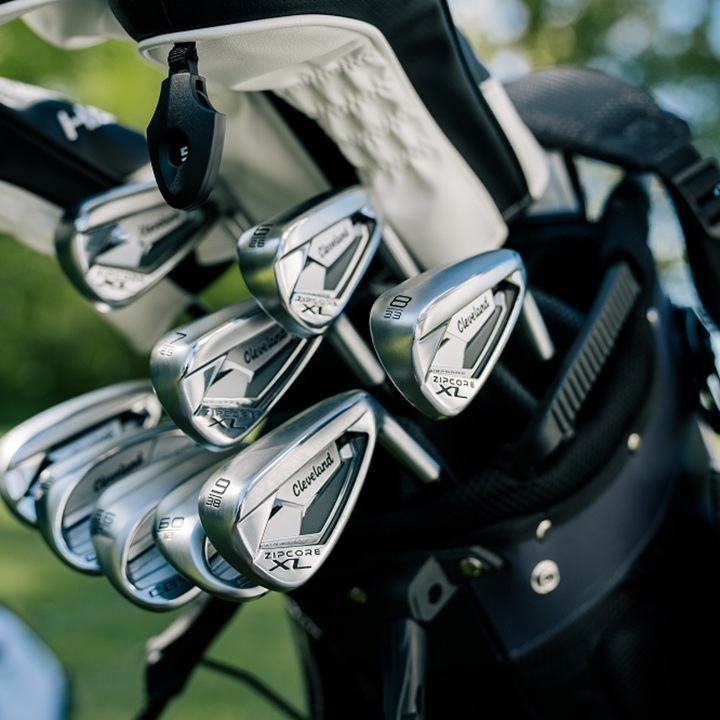
What’s the best finish for golf wedges? Appearance is a matter of personal taste, but a few practical details are worth keeping in mind when choosing the finish of your Cleveland golf wedge. Right now, black and tour satin options are among the most popular because they look clean and modern while helping to reduce glare from the sun. Polished chrome, which was once very common, has fallen out of favour for many players since it can create unwanted reflections off the un-grooved areas of the face. Look for a design that matches both your style and how you prefer your equipment to look and perform after repeated use.
Forgiveness
Forgiveness isn’t usually the top priority with Cleveland wedges, but many players still appreciate a little extra help when they don’t catch it perfectly in the centre. If that sounds like you, designs with a cavity-back construction can offer useful perimeter weighting that adds stability and makes off-centre hits more consistent.
A slightly wider sole can also make a noticeable difference by helping the club move smoothly through the turf and making it easier to launch the ball cleanly, even on slightly mishit shots. If you value that extra margin for error, look at options specifically built with forgiveness in mind.
Bounce
Bounce is one of those often-overlooked details that can be just as important as loft when it comes to how well your short clubs perform. Simply put, it’s the angle created between the bottom of the sole and the leading edge when the club is sitting flat on the ground. A lower bounce (typically around 4-6 degrees) keeps the leading edge closer to the turf, making it a better fit for firm conditions, tight lies, or players with a shallower, sweeping swing style.
On the other hand, higher bounce (around 10-14 degrees) adds more forgiveness in softer turf or fluffy bunkers, helping to stop the club from digging in too much. Many golfers benefit from carrying a mix of bounce angles because courses rarely offer the same conditions from week to week. Having that variety gives you more confidence no matter what the turf throws at you.