The Ultimate Guide to Choosing the Right Dog Bed for Your Furry Friend
Contents
After a long day of kisses, cuddles and playtime, your dog deserves a peaceful, cosy place to rest. As fun as owning a pet is, it also comes with a real sense of responsibility. Your pet has many needs, from hygiene to mental stimulation; you must ensure your puppy is always happy and taken care of.
The road to puppy parenthood starts by providing the right bed for your pup’s size, breed, age and personality. Choosing the right pet bed for a dog that is constantly changing, both physically and mentally, can be overwhelming, but once you get the basics down, it’s really rather a simple task. Let’s explore why dogs need their own beds, how to improve your pet’s sleep quality, and even how the right large beds for dogs can contribute to better long-term well-being.
Why Every Dog Needs a High-Quality Bed
source: barneybed.com.au
Dog beds are essential for your puppy’s health and comfort. It might seem rather silly that a small piece of stuffed cloth can affect your dog’s life that much, but it’s all very true.
Just like humans, animals have an extensive list of comfort needs. Can you imagine sleeping on the floor every night? Just think of what that will feel like for your joints and muscles. Sleeping on the cold ground is dangerous for your dog’s physical health and mental well-being.
When your dog has their own designated sleeping cot, it becomes their safe space. If the bed is comfortable and inviting, your pup will naturally see it as a place to relax, rest, and feel secure.
In winter, floors can become very cold, while in summer they can feel warm and damp from humidity. Sleeping in those conditions can affect your dog’s comfort and overall well-being.
While many owners also prefer to sleep alongside their dogs, letting your furry pal constantly sleep on your bed can lead to a codependent relationship, where they need to be constantly by your side in order to feel safe. Giving your dog their own bed is usually the best way to support healthy, independent rest.
How to Choose the Right Dog Bed
source: beelovett.com
On average, dogs sleep about 12 to 14 hours a day. When they’re not eating or running around asking for cuddles, you’ll probably find your dog tucked away in their “safe space”. To help you on your quest to find the perfect dog bed, here is a list of factors to consider when shopping for one.
1) What Size Should I Get?
Choosing the right size is the most important factor when selecting a bed. If it is too small, your puppy may feel cramped and uncomfortable, and over time, it can even contribute to issues with their bones and joints.
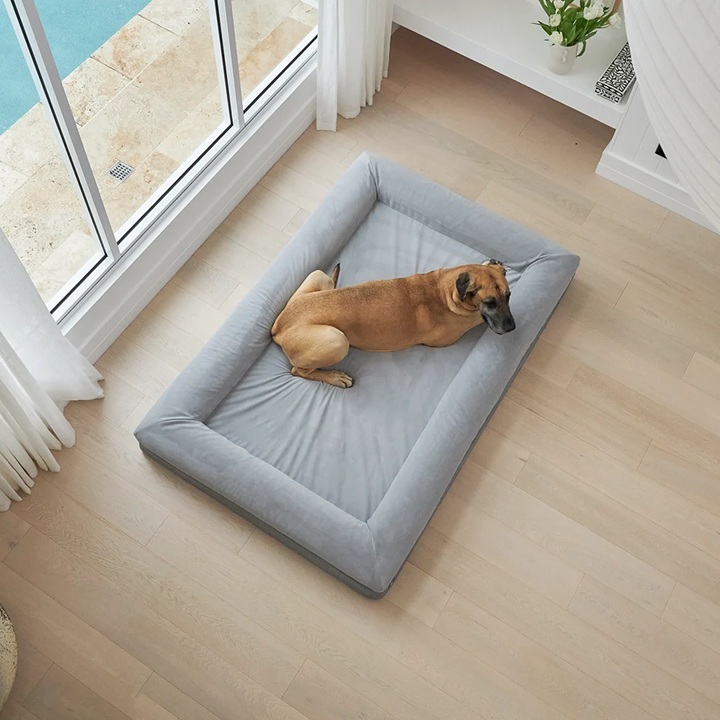
Your puppy’s sleeping space should be larger than their full body length so they can stretch out, turn around and settle in comfortably. For bigger breeds, large dog beds are often the better choice because they provide the extra room needed to spread out and rest without putting pressure on joints and muscles.
If your puppy is still growing, take their breed and growth rate into account. Choosing a size with a little extra room can save you from needing a replacement too soon.
2) What Type of Dog Bed Is Right For My Puppy?
There is a variety of options available, all perfect candidates for being “the one”, so how do you know which one to choose? The best choice usually comes down to your puppy’s personality and sleep habits.
Some pets prefer enclosed spaces because they feel more secure. In that case, a cave-style design can create a warm and cosy spot to rest. Bigger dogs tend to prefer more open spaces. For them, you might want to get large beds for dogs in a classic rectangular shape.
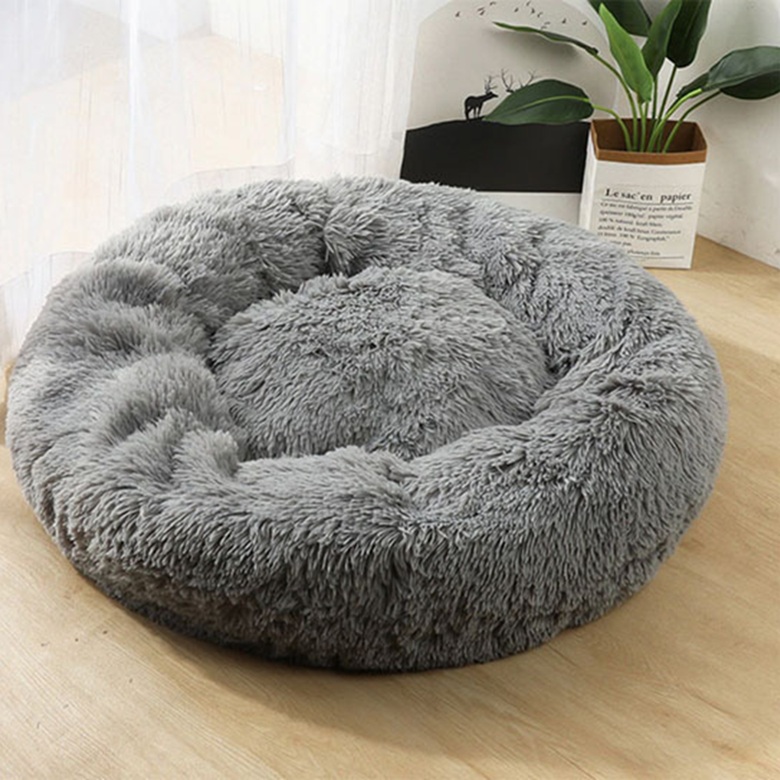
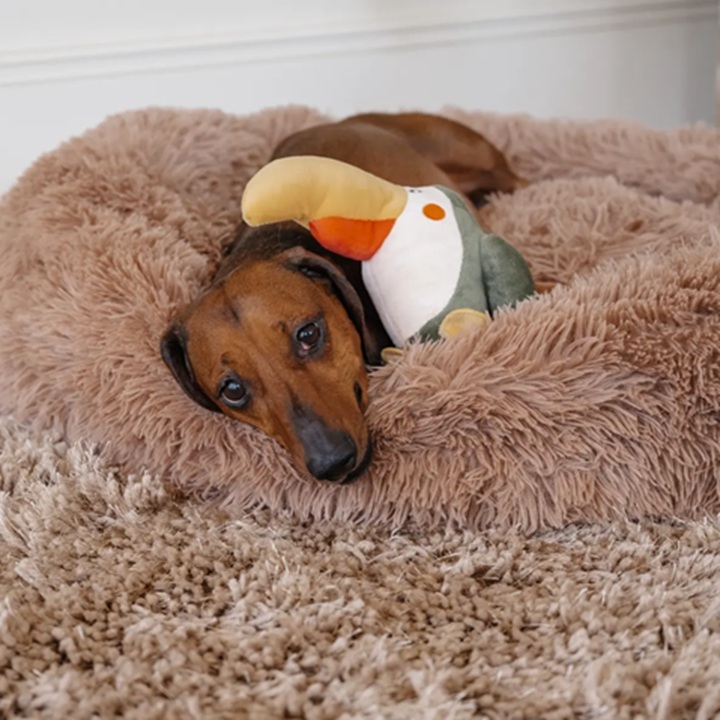
Analyse your dog’s needs carefully, and if you’re still unsure, you can never go wrong with a classic doughnut bed. It’s the perfect blend of comfort, warmth and freedom.
3) How Do Materials Affect The Bed’s Quality?
The material can make a big difference to both your pet’s comfort and your home’s cleanliness. Popular filling options include memory foam and polyester fill. Memory foam offers better support for your puppy’s bones and joints, while polyester fill creates a softer, cosier place to rest.
For the outer cover, look for something durable, machine-washable and scratch-resistant. That combination helps keep things comfortable for your pet and easier to maintain around the house.
What to Avoid When Buying a Dog Bed
Once you know what to look for, it’s just as important to understand what to avoid. Here is some short, yet helpful advice on things to avoid when looking for the perfect dog bed:
1) Bed That is Difficult to Clean
2) Beds That Lack Support
3) Designs That Don’t Match Your Dog’s Personality
It can be difficult to learn and memorise your pet’s habits, especially if you haven’t been living together quite that long yet. However, studying your dog’s personality and sleeping style can significantly help you on your journey of choosing the right dog bed.
Shyer dogs often like to curl up when they sleep, so a rounder shape with a more secure feel usually suits them better. More active puppies tend to move around more during rest, so they usually prefer something with enough space to stretch out comfortably.