First Aid on Point: The Ultimate Medic Pouch Guide
In high-pressure environments, seconds determine control or chaos. Medical emergencies are unpredictable, and searching for supplies is not an option. First aid pouches solve this by keeping essentials organised, protected, and ready. They help keep trauma tools and emergency gear where needed, allowing for rapid, focused care when every second counts.
Types to Consider
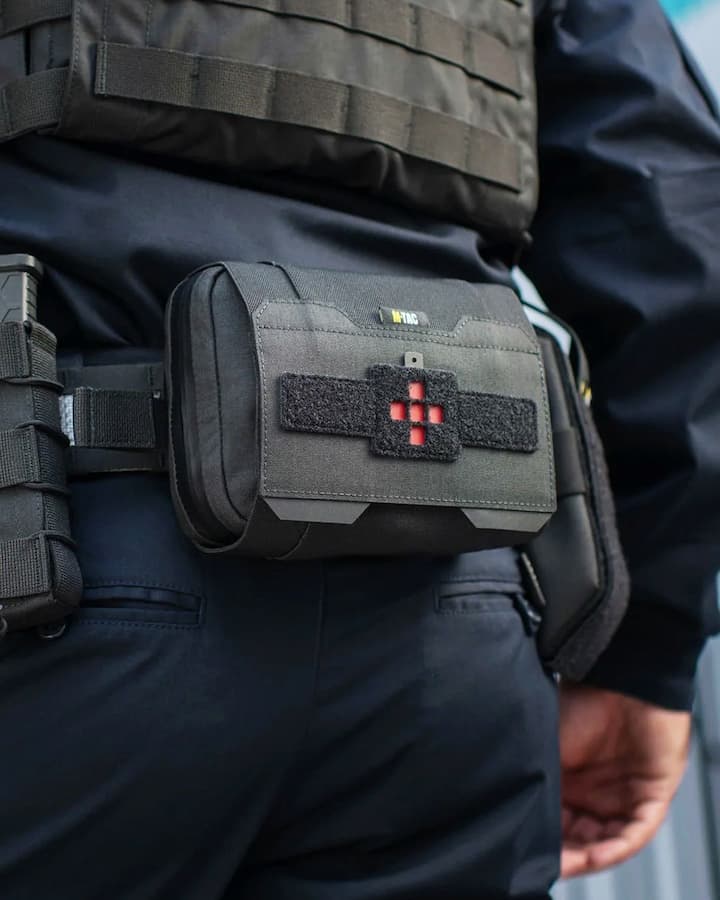
Source: pinterest.com
Keep medical supplies accessible when there’s risk, distance, or delayed medical help with functional and durable medic pouches. Knowing the types helps match the pouch to your real needs.
Quick-Access Trauma Pouches
Designed for situations where every second matters, quick-access trauma pouches prioritise speed and simplicity. These pouches typically feature tear-away panels or rapid-open systems that allow the kit to be deployed instantly.
The internal layout is usually highly visible, with elastic loops and secure retention to keep critical items in place. This design reduces hesitation and confusion during high-stress moments, making it ideal for emergency responders, tactical users, or anyone operating in fast-moving environments.
Compact Individual First-Aid Pouches
Compact first-aid pouches focus on personal or buddy care. They are lightweight and minimal, carrying only essential medical supplies needed for immediate response. Their low-profile design allows them to be mounted easily on belts, packs, or vests without adding bulk or limiting movement. This type is well-suited for users who require constant access to basic medical equipment while maintaining agility and comfort.
Multi-Compartment Medical Pouches
For users after greater organisation, multi-compartment medic pouches provide structured internal storage. Separate sections help keep bandages, tools, and protective equipment clearly organised and easy to locate. This reduces time spent searching for supplies and supports more efficient treatment. Designs with multiple compartments are ideal for extended missions, outdoor adventures, or work settings where varied medical situations may arise.
Modular and Scalable Pouch Systems
Modular options offer flexibility and adaptability. Designed to integrate with modular attachment systems, they can be repositioned, expanded, or combined with other gear as needed. This makes them especially valuable for professionals who operate in dynamic environments and require a setup that can adapt to the task at hand.
Insert-Based and Speciality Organisers
Some medical pouches focus on internal efficiency through removable inserts or fold-out panels. These features improve visibility and allow multiple users to access supplies quickly. They are particularly useful in team environments where clarity and consistency are essential for effective medical response.
Key Features to Look for
When choosing a medical pouch, certain features make the difference between fumbling in an emergency and responding confidently.
Fast and Easy Accessibility
In an emergency, speed is everything. A good IFAK pouch should allow quick, intuitive access to its contents, even with one hand. Wide-opening designs, rapid-release closures, or tear-away systems ensure supplies can be reached immediately without unnecessary steps or fine motor control.
Smart Internal Organisation
Well-organised interiors reduce stress and response time. Look for elastic loops, divided compartments, or removable panels that keep medical items visible and secure. Clear organisation prevents supplies from shifting and helps you locate critical items instantly when pressure is high.
Durable and Reliable Construction
Pouches are often exposed to rough conditions, so durability is essential. Strong fabrics, reinforced stitching, and dependable fasteners help the pouch withstand wear, moisture, and frequent handling. A robust build ensures the pouch performs consistently when you need it most.
Modular Attachment Options
Versatility matters in dynamic environments. Modular attachment systems allow the pouch to be mounted on belts, backpacks, or vests and repositioned as needed. This flexibility lets you adapt your setup to different tasks, roles, or movement requirements.
Balanced Size and Capacity
The right size strikes a balance between portability and preparedness. A well-designed medic pouch holds essential supplies without becoming bulky or restrictive. Choosing the correct capacity helps maintain mobility while ensuring readiness.
Practical Usability Enhancements
Additional features such as weather-resistant closures, identification panels, or quick-release buckles improve functionality. These small details can make a significant difference when time, clarity, and ease of use are critical.
Items to Include
A well-prepared medic pouch should carry essential items that support immediate injury management. Common inclusions are sterile dressings, compression bandages, adhesive bandages, and wound-cleaning supplies. Protective gloves are crucial for hygiene, while trauma shears allow quick access to injuries. Tourniquets or pressure aids may be included for severe bleeding situations. Compact tools such as antiseptic wipes, gauze rolls, and medical tape help secure dressings effectively.
Maintenance and Restocking
Regular maintenance ensures your emergency pouch is always ready when needed. Check contents frequently to replace used, damaged, or expired items, as medical supplies can degrade over time. Reorganise the pouch after each use so everything remains accessible and secure. Inspect zippers, fasteners, and attachment points for wear to avoid failures in critical moments. Restocking promptly after use prevents gaps in preparedness.